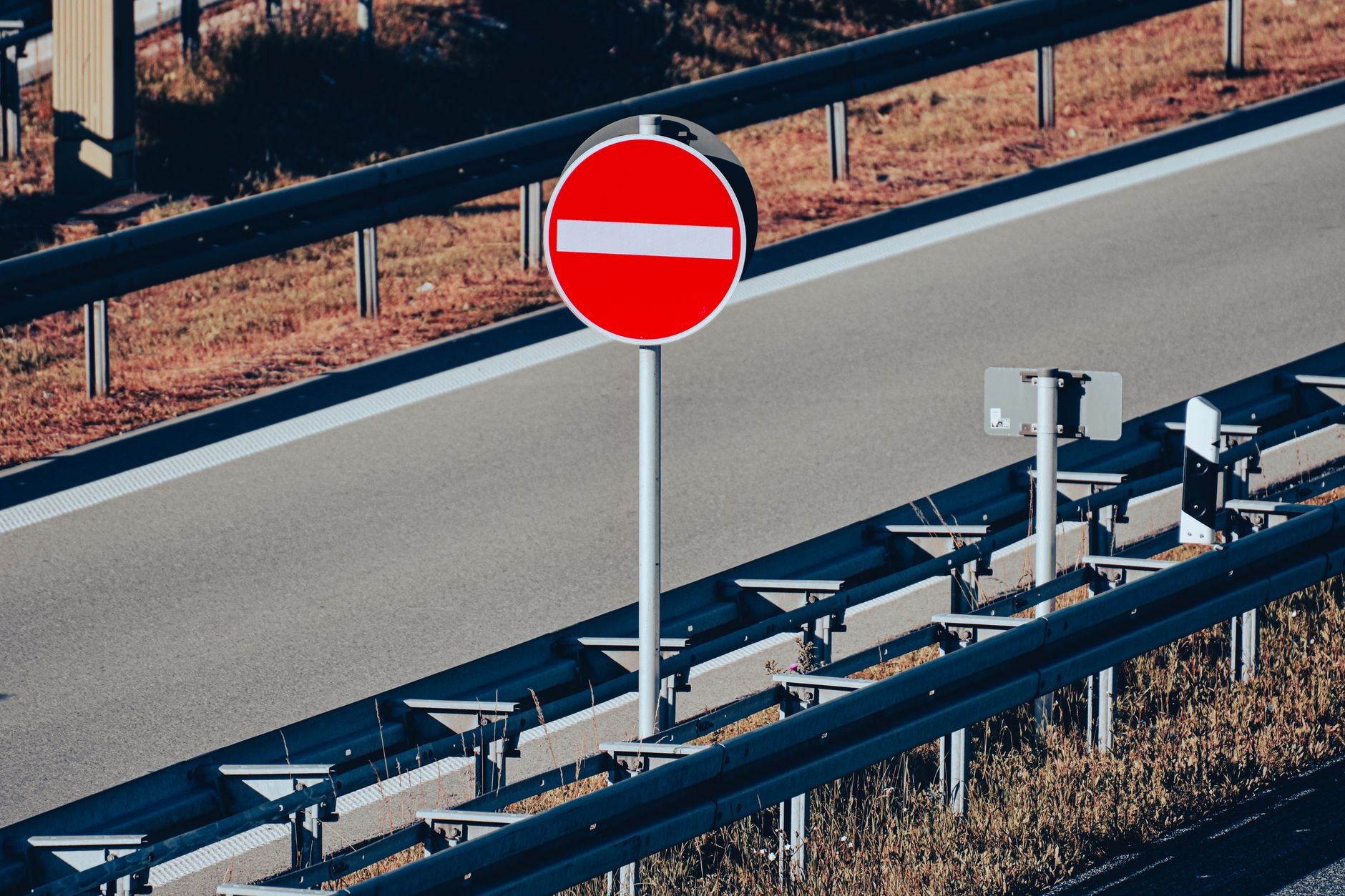
Highway design rules are transforming India’s road infrastructure, aiming to enhance safety and efficiency in high-speed corridors. This initiative promises to create a safer driving environment for all.
Understanding the New Highway Design Rules
The introduction of the new highway design rules marks a significant step towards enhancing the safety and efficiency of India’s roadways. These guidelines focus on several key aspects aimed at improving overall travel experience.
- Safety Enhancements: The new rules prioritize features such as better signage, improved lighting, and designated pedestrian crossings, ensuring that all road users are protected.
- Technological Integration: Modern technology is being integrated into highway infrastructures, including smart traffic management systems that help regulate flow and reduce congestion.
- Sustainable Practices: Emphasis on eco-friendly materials and designs is set to minimize environmental impact while maintaining durability.
- Accessibility: The design rules also aim to enhance accessibility for differently-abled individuals, making highways more inclusive.
Overall, these highway design rules are crafted to make Indian roads not only safer but also smarter for the future.
Impact on Road Safety in India
The implementation of the new highway design rules is poised to significantly enhance road safety in India. These updated regulations focus on several critical factors that contribute to safer driving environments.
- Improved Signage: Enhanced road signage ensures that drivers are better informed about conditions ahead, reducing the likelihood of accidents.
- Better Lane Markings: Clear and durable lane markings help maintain order on highways, preventing dangerous lane changes.
- Pedestrian Safety: Designated crossings and pedestrian overpasses are integral to the new rules, prioritizing the safety of vulnerable road users.
- Intelligent Traffic Management: The integration of smart technologies allows for real-time monitoring and management of traffic flow.
By adhering to the new highway design rules, India aims to create a more efficient and safer driving experience, ultimately reducing the number of road accidents nationwide.
Efficiency Improvements in High-Speed Corridors
The recent updates to highway design rules are set to enhance efficiency in India’s high-speed corridors. These modifications aim to streamline traffic flow and reduce congestion, ensuring that roads can accommodate the increasing number of vehicles without compromising safety.
Key improvements include:
- Wider Lanes: Increasing lane width allows for smoother traffic movement, especially for larger vehicles.
- Enhanced Signage: Better signage helps drivers make informed decisions quickly, reducing the likelihood of accidents.
- Intelligent Traffic Systems: Integration of smart technologies to monitor and manage traffic patterns for optimal flow.
- Dedicated Lanes: Special lanes for heavy vehicles and public transport minimize interference with lighter traffic.
These efficiency improvements in highway design rules not only aim to enhance travel times but also promote sustainable transportation solutions across the country.
Insurance Considerations for New Road Designs
The implementation of new highway design rules in India is not only focused on safety and efficiency but also has significant implications for insurance considerations. As road designs evolve to incorporate advanced safety features, insurance companies are adapting their policies to reflect these changes.
Insurers are beginning to recognize the importance of highway design rules in determining risk assessments and premium rates. With improved road infrastructure, there is potential for a reduction in accidents, leading to lower claims and, consequently, more favorable insurance rates for drivers.
Moreover, the integration of smart technology in road design will enable better data collection on traffic patterns and incidents, helping insurers refine their models and offer tailored policies. The synergy between innovative highway design and the insurance sector underscores the growing recognition of safety as a valuable asset, promoting a culture of responsibility among road users.
Photo by Alexas Fotos on Pexels