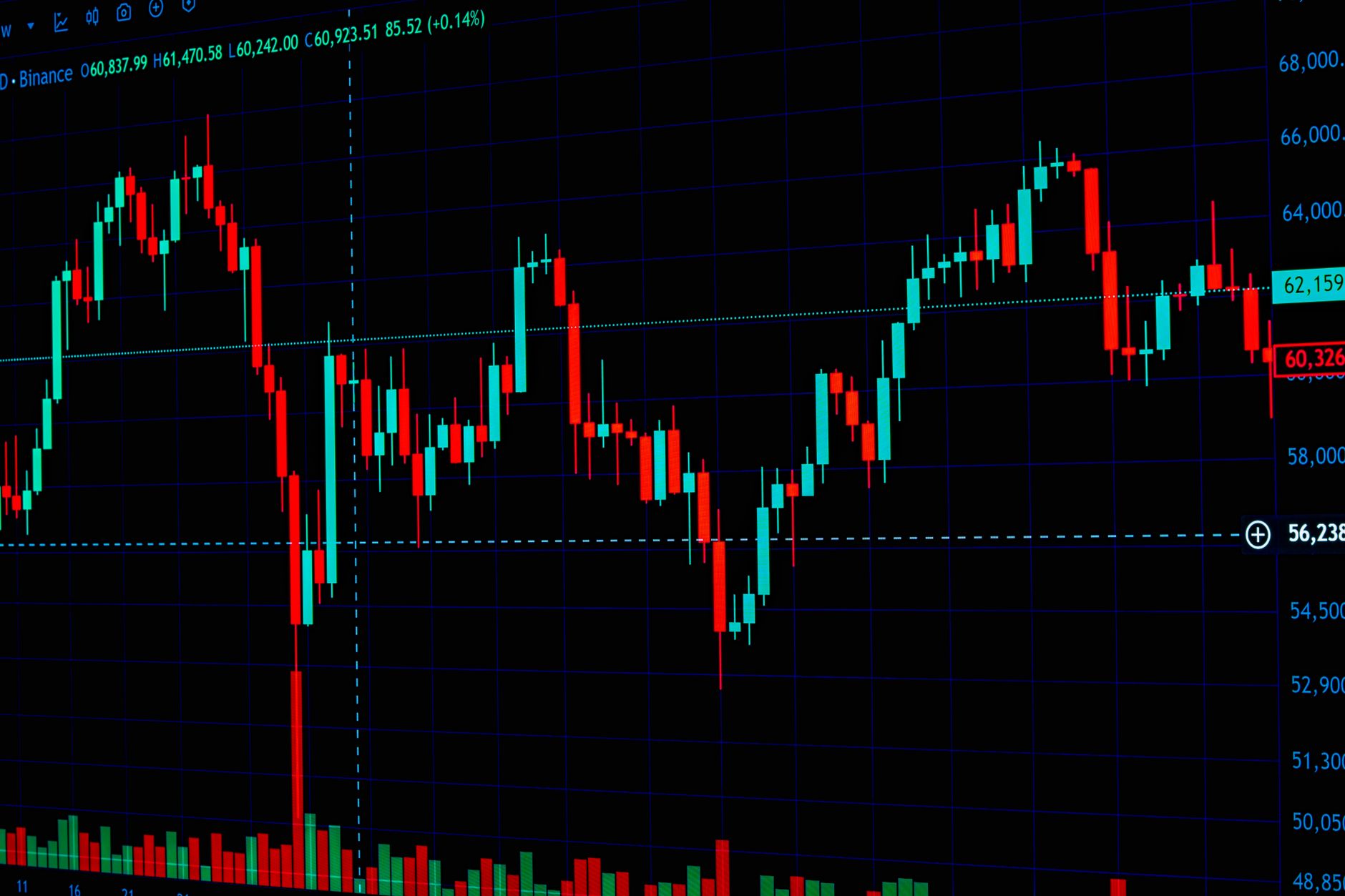
GIFT Nifty falls, indicating a weak start for Sensex and Nifty as Asian markets decline ahead of the RBI policy announcement.
Market Overview
The financial markets opened to a bleak outlook as the GIFT Nifty falls, reflecting a decline of 100 points. This drop signals a potentially challenging start for both the Sensex and Nifty ahead of the Reserve Bank of India’s (RBI) upcoming policy decisions. Investors are closely monitoring the situation, anticipating the implications of the RBI’s decisions on interest rates and economic growth.
Asian markets also experienced a downturn, contributing to the overall negative sentiment. Key indices across the region reported losses, which compounded the pressure on Indian markets. The following factors are influencing the current market dynamics:
- Global Economic Concerns: Ongoing uncertainties regarding global economic recovery are causing traders to adopt a cautious approach.
- RBI Policy Expectations: Speculation surrounding the RBI’s stance on interest rates is leading to heightened volatility.
- Inflationary Pressures: Concerns about rising inflation continue to weigh heavily on investor sentiment, impacting market performance.
As market participants digest these developments, the GIFT Nifty falls signifies the need for vigilance and strategic decision-making. Analysts recommend keeping an eye on economic indicators and global trends, as they will play a crucial role in shaping the market’s trajectory in the coming days.
Impact of RBI Policy
The recent decline in the GIFT Nifty falls has raised concerns among market analysts, particularly in light of the forthcoming Reserve Bank of India (RBI) policy announcement. Investors are closely monitoring the situation, as the market sentiment tends to be influenced heavily by such monetary policy decisions.
As the RBI prepares to unveil its latest policy decisions, experts predict that any unexpected moves could exacerbate the current market volatility. Analysts highlight several potential impacts:
- Interest Rate Changes: If the RBI opts for an interest rate hike, it could lead to increased borrowing costs, dampening consumer spending and business investments.
- Inflation Concerns: With inflation continuing to be a pressing issue, the RBI’s stance on price stability will play a critical role in shaping market expectations.
- Liquidity Adjustments: Adjustments to liquidity measures may affect the availability of funds in the market, further influencing investor sentiment.
The current atmosphere of uncertainty, compounded by the GIFT Nifty falls, hints at a challenging start for the Sensex and Nifty. Investors are advised to remain cautious as they navigate through this unpredictable landscape, particularly in the wake of the RBI’s upcoming policy decisions.
Asian Markets Performance
Asian markets experienced a decline as investors reacted to the recent fluctuations in the GIFT Nifty falls. The overall performance across the region indicated a cautious sentiment among traders, particularly in light of anticipated central bank policies.
Market analysts observed that the downward trend was not isolated to India, with several key Asian indices reflecting similar patterns. The following points summarize the performance of major Asian markets:
- Japan’s Nikkei 225: The index fell sharply by 1.5%, as concerns over economic growth weighed heavily on investor sentiment.
- Hong Kong’s Hang Seng: This index witnessed a decline of 0.8%, with technology stocks leading the downturn.
- South Korea’s Kospi: The Kospi also dropped by 1.2%, reflecting the impact of global economic uncertainty.
- China’s Shanghai Composite: The index edged down by 0.5%, amid ongoing worries about the country’s economic recovery.
As these markets grapple with various headwinds, analysts believe the GIFT Nifty falls could foreshadow further challenges for the Indian market. Investors are advised to remain vigilant as they navigate through this turbulent period, with potential volatility expected in the coming sessions.
GIFT Nifty Analysis
The GIFT Nifty falls significantly, leading to concerns about the overall market sentiment as investors brace for an uncertain opening in the Indian stock market. Analysts suggest that the drop of 100 points in the GIFT Nifty is indicative of a weak start for both the Sensex and Nifty indices.
This decline can be attributed to several factors:
- Global Economic Concerns: Investor apprehension surrounding global economic stability has intensified, particularly in light of recent data from key markets.
- Domestic Policy Implications: Anticipation of policy decisions from the Reserve Bank of India (RBI) has added to the volatility, causing traders to adopt a cautious stance.
- Profit Booking: Following a series of gains in the previous weeks, many investors are choosing to book profits, contributing to the downward pressure on the indices.
Market analysts note that the GIFT Nifty falls could be a precursor to substantial fluctuations in the Indian markets as they respond to both domestic and international cues. Investors are advised to remain vigilant and consider potential opportunities that may arise as the situation develops. As the day progresses, traders will be closely monitoring the implications of the RBI’s policy announcements and their impact on market dynamics.
Investor Sentiment
Investor sentiment has taken a significant hit following the recent decline in the GIFT Nifty, which fell by 100 points, indicating a troubling outlook for the upcoming trading session. This downturn has raised concerns among market participants who are closely monitoring economic indicators and policy decisions that could further impact performance.
The prevailing mood among investors is cautious, as many are reevaluating their positions in light of the GIFT Nifty falls. The anticipation surrounding the Reserve Bank of India (RBI) policy announcement has added to the uncertainty, with traders wary of potential surprises that could affect market dynamics. As a result, the Sensex and Nifty are expected to open weaker, reflecting the overall bearish sentiment.
Several factors are contributing to the current investor outlook:
- Global Economic Concerns: Investors are worried about slowing growth in key economies, which may hamper corporate earnings.
- Inflation Pressures: Rising inflation rates continue to weigh heavily on consumer spending and investment.
- Policy Uncertainty: The forthcoming RBI policy could shift market expectations, adding to the volatility.
In this environment, investors are advised to adopt a cautious approach, focusing on sectors that may be resilient despite the GIFT Nifty falls and broader market challenges.
Future Market Predictions
As the GIFT Nifty falls, market analysts are adjusting their forecasts for the upcoming trading sessions. The decline of 100 points in the GIFT Nifty has raised concerns about a turbulent start for both the Sensex and Nifty. Market experts predict that this trend may continue if global economic conditions do not improve.
The factors contributing to this downturn include:
- Global Economic Concerns: Ongoing economic challenges in major markets have led to increased volatility.
- Domestic Factors: Anticipation of the Reserve Bank of India’s (RBI) policy decisions is causing uncertainty among investors.
- Currency Fluctuations: Changes in currency values are influencing investment strategies and market behavior.
Looking ahead, analysts emphasize the importance of monitoring key economic indicators. The upcoming RBI meeting is likely to play a crucial role in shaping market sentiment. If the central bank adopts a cautious approach, the GIFT Nifty falls could signal further weakness. Conversely, any unexpected positive news might stabilize the markets.
Overall, investors are advised to remain vigilant and consider diversifying their portfolios. The current market dynamics suggest that both short-term and long-term strategies will be essential to navigate this challenging landscape effectively.
Key Economic Indicators
As the financial markets react to global trends and domestic policy shifts, several key economic indicators have come under scrutiny. The recent fluctuations in the GIFT Nifty falls have been particularly significant, highlighting concerns about the broader market environment.
Economists have identified the following indicators as critical in understanding the current market landscape:
- Inflation Rate: The inflation rate remains a crucial factor affecting consumer spending and business investments. Recent data shows a slight uptick, raising concerns about the purchasing power of consumers.
- Exchange Rates: The depreciation of the rupee against major currencies has implications for import costs and overall economic stability. Analysts predict that continued weakness may impact capital inflows.
- Interest Rates: The Reserve Bank of India’s recent policy decisions play a significant role in shaping market sentiment. Potential hikes in interest rates could lead to increased borrowing costs for businesses.
- Employment Figures: The job market remains a mixed bag, with some sectors showing growth while others lag. Employment statistics will be closely watched as a barometer for economic recovery.
- Consumer Confidence Index: This index reflects consumers’ optimism about the economy. A decline in this metric could further exacerbate the challenges faced by the stock market.
These indicators collectively shape the outlook for the Indian economy and will be pivotal in understanding the implications of the GIFT Nifty falls on investor behavior moving forward.
Conclusion
In conclusion, the recent decline in the GIFT Nifty falls has raised considerable concerns among investors and analysts alike. The negative sentiment reflected in the markets signals a troubling start for the upcoming trading sessions, particularly for the Sensex and Nifty indices. This downturn comes at a time when key economic indicators and RBI policy announcements are expected to shape the trajectory of the markets.
Market participants are now closely monitoring the implications of these developments. The GIFT Nifty falls serve as a reminder of the volatility that can arise from external economic pressures and domestic policy changes. Investors are urged to remain cautious as uncertainty looms over future trading. The potential for further declines in the indices could lead to a reevaluation of investment strategies.
Additionally, the performance of Asian markets, which have also shown a downward trend, may exacerbate the situation further. As global economic conditions fluctuate, the interconnectedness of markets means that local investors will feel the impact of international movements.
Looking ahead, it is crucial for stakeholders to stay informed and adapt to the evolving landscape. The current scenario emphasizes the need for vigilance and a proactive approach in navigating potential market challenges. As the situation develops, the focus will remain on how these factors influence investor behavior and market performance in the coming weeks.