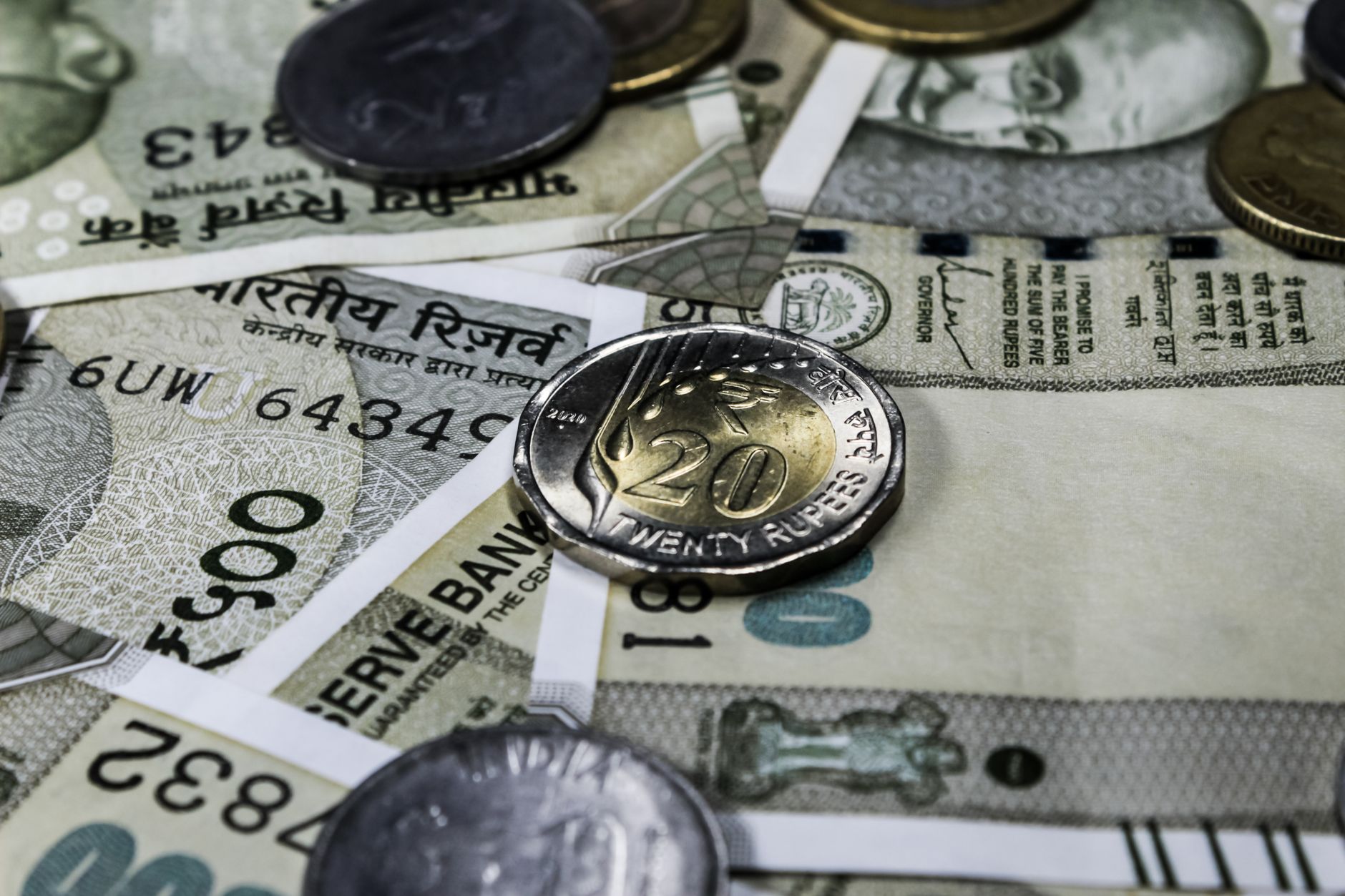
RBI rate hike impact has led Shriram Finance to increase its FD rates to 7.85%, effective October 11. This change reflects the evolving financial landscape and offers new opportunities for investors.
Understanding the RBI Rate Hike
The recent RBI rate hike has caught the attention of investors and financial institutions alike. As the central bank adjusts interest rates, the impact on fixed deposits (FDs) becomes a significant topic of discussion. Many banks and financial companies have responded by revising their FD rates, offering higher returns to attract depositors.
For instance, Shriram Finance has announced an increase in FD rates up to 7.85%, effective from October 11. This move reflects a broader trend in the market as institutions align their offerings with the latest RBI policies.
Investors are now faced with important decisions regarding their savings. Factors to consider include:
- Current inflation rates
- Future interest rate predictions
- Personal financial goals
With the RBI rate hike impact on the horizon, it may be the right moment for individuals to evaluate their fixed deposit options.
How Shriram Finance is Responding
Shriram Finance has swiftly adjusted its fixed deposit (FD) offerings in response to the recent RBI rate hike impact. Effective October 11, the company has raised its FD rates, now offering returns as high as 7.85%, aiming to attract more investors. This move is part of a broader strategy to enhance customer savings options and remain competitive in the financial market.
Highlighting the significance of this adjustment, a spokesperson from Shriram Finance stated, “The increase in FD rates reflects our commitment to providing value to our customers while adapting to the changing economic landscape.” The higher interest rates are expected to encourage more individuals to invest in fixed deposits, especially during a time when savings instruments are gaining traction due to the RBI’s monetary policy shifts.
Investors are advised to consider the benefits of locking in higher FD rates in light of the prevailing economic conditions.
New FD Rates Explained
The recent RBI rate hike has sparked significant changes in the fixed deposit (FD) landscape. With Shriram Finance announcing a new FD rate of up to 7.85%, effective October 11, investors are keen to understand how these adjustments could affect their savings.
New FD rates are often a direct response to the central bank’s monetary policy shifts, which aim to control inflation and stabilize the economy. As the RBI rate hike impact reverberates through the financial sector, many banks and financial institutions are expected to follow suit in revising their interest rates.
Here are some key points to consider regarding the new FD rates:
- Increased Returns: Higher rates mean better returns for savers.
- Inflation Hedge: FDs may offer a safer investment during inflationary periods.
- Short-Term vs. Long-Term: Assess the duration that suits your financial goals.
Impact on Investors
The recent RBI rate hike has sparked significant interest among investors, particularly those considering fixed deposits (FDs). As banks and financial institutions adjust their rates in response to the central bank’s decision, the potential benefits for investors become clearer.
With Shriram Finance increasing its FD rates up to 7.85% effective October 11, many are questioning whether this is the best time to invest. The RBI rate hike impact suggests that higher interest rates could lead to better returns on FDs, making them an attractive option for risk-averse investors.
However, it is essential to consider various factors before committing funds:
- Investment horizon
- Inflation rates
- Financial goals
Ultimately, understanding the RBI rate hike impact on FDs can help investors make informed decisions tailored to their financial needs.
Future of Interest Rates
The future of interest rates remains uncertain as the RBI continues to navigate inflationary pressures and economic growth. With the recent RBI rate hike impact on financial products, many investors are reevaluating their strategies, particularly concerning fixed deposits (FDs).
Analysts suggest that while rates may rise further, the timing and magnitude of future hikes depend on various factors including global economic conditions and domestic inflation trends. Some experts believe that the RBI may adopt a more cautious approach moving forward, balancing the need to control inflation with the necessity of supporting economic recovery.
As a result, potential investors might consider locking in higher rates now before any future shifts occur. Staying informed about these changes is crucial for making sound investment decisions in the current financial landscape.
Ultimately, the evolving interest rate environment will play a significant role in shaping the future of fixed deposits and other investment avenues.
Tips for Choosing FDs
Choosing the right fixed deposit (FD) can be crucial, especially in light of the RBI rate hike impact on interest rates. Here are some tips to consider when selecting an FD:
- Compare Rates: Look for banks or financial institutions offering competitive rates. With recent increases, it’s essential to find the best options available.
- Tenure Flexibility: Choose an FD with a tenure that aligns with your financial goals. Different tenures may offer varying interest rates.
- Check for Premature Withdrawal Penalties: Understand the terms regarding premature withdrawal, as some banks impose penalties that can erode your returns.
- Consider Additional Features: Some FDs come with added benefits like loans against deposits or monthly interest payouts, which might suit your needs better.
By carefully evaluating these factors, investors can make informed decisions amidst the changing financial landscape.
The RBI rate hike impact is already being felt across various sectors, influencing not only loan rates but also fixed deposit returns. Investors are now weighing the RBI rate hike impact on their savings strategies as they consider the best time for FDs.
Photo by Ravi Roshan on Pexels