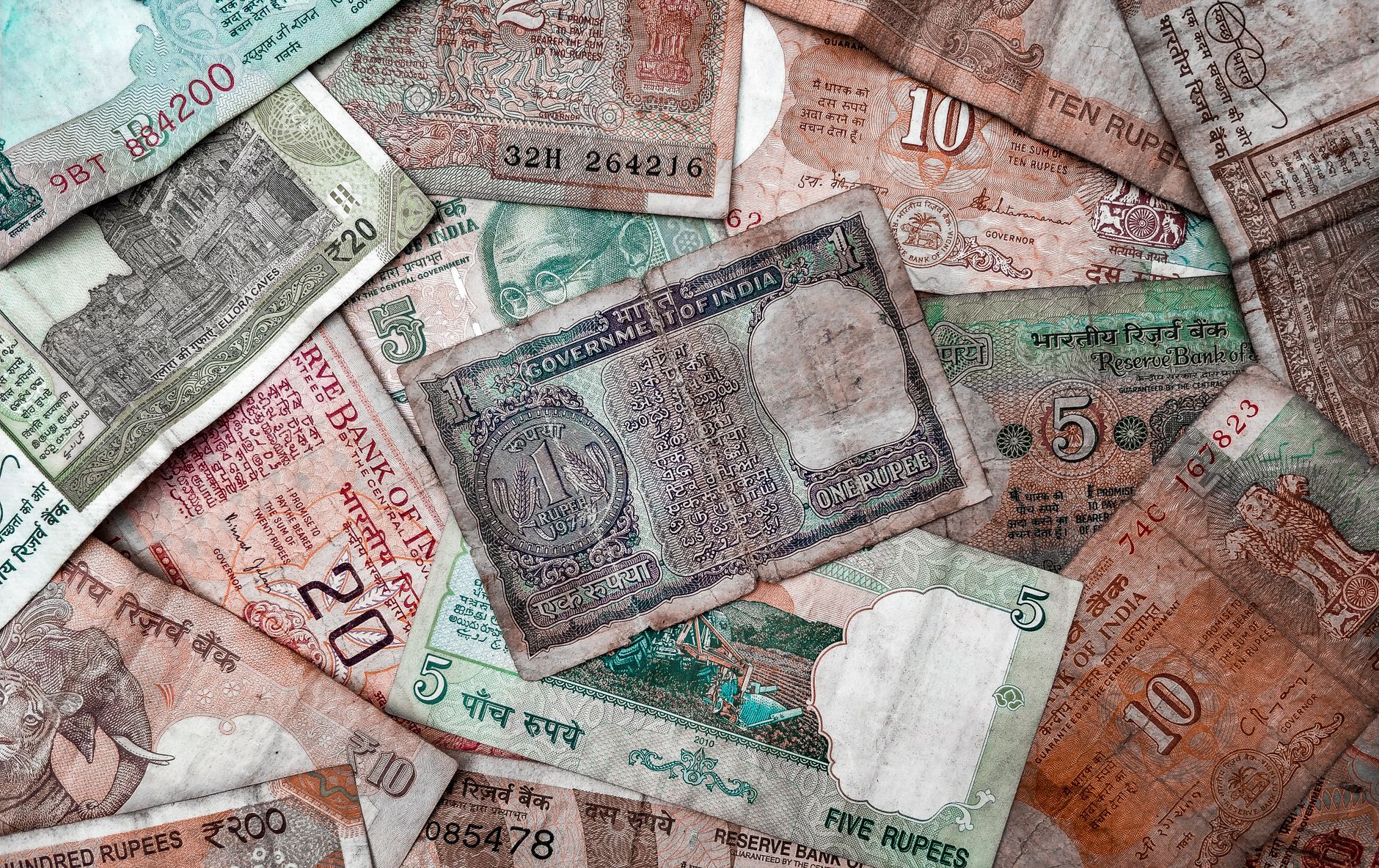
Rupee one-month high reflects a strengthening currency backed by RBI’s commitment to stability. This positive shift indicates growing confidence in India’s economic policies.
Understanding the Rupee’s Rise
The recent performance of the Indian Rupee has drawn significant attention as it reached a one-month high, signaling a potential shift in market dynamics. This rise can be attributed to several factors that illustrate the currency’s newfound stability.
The Reserve Bank of India (RBI) has played a crucial role in this development. By implementing effective foreign exchange (FX) curbs and making a strong commitment to maintain market stability, the RBI has instilled confidence among investors and traders alike. This proactive approach has helped to mitigate volatility that often affects the currency market.
- Investor Confidence: The RBI’s actions have reassured investors, leading to increased capital inflows.
- Market Sentiment: Positive sentiment surrounding economic recovery has aided the Rupee’s performance.
- Global Trends: The Rupee’s rise is also influenced by global currency trends and economic indicators.
As the Rupee reaches this one-month high, many analysts remain optimistic about its future trajectory, believing that sustained stability could lead to further gains in the coming weeks.
Factors Behind the RBI’s Decision
The recent surge of the rupee to a one-month high can be attributed to several critical factors influencing the Reserve Bank of India’s (RBI) policy decisions. As investors gained confidence in the stability of the Indian economy, the RBI took strategic actions to support the currency.
Key factors behind this positive trend include:
- RBI’s commitment to stability: The central bank’s pledge to maintain stability in the foreign exchange market has reassured investors, leading to increased demand for the rupee.
- FX curbs implementation: The RBI’s measures to impose foreign exchange curbs have bolstered the rupee’s value, ensuring a more controlled and resilient currency environment.
- Global market trends: Positive shifts in global economic conditions, including lower inflation rates in major economies, have contributed to a favorable atmosphere for emerging markets like India.
- Increased foreign investment: A rise in foreign direct investment inflows has strengthened the rupee, as international investors seek opportunities in the Indian market.
These factors collectively underscore the RBI’s proactive stance, enhancing the rupee’s position in the global currency landscape.
Impact on Foreign Exchange Market
The recent surge in the Indian rupee has led to significant shifts in the foreign exchange market, as it reached a one-month high. This upward movement is largely attributed to the stability pledge made by the Reserve Bank of India (RBI), which has fostered greater investor confidence.
Market analysts have noted several key impacts:
- Increased Investor Confidence: The RBI’s commitment to maintaining currency stability has encouraged both domestic and foreign investors to engage more actively in the market.
- Reduced Volatility: With the rupee showing resilience, traders are experiencing less uncertainty, leading to more stable trading conditions.
- Impact on Exports: A stronger rupee can affect the competitiveness of Indian exports, potentially impacting revenue for businesses reliant on foreign markets.
- Foreign Investment Flows: The attractive position of the rupee has led to an influx of foreign investments, bolstering the overall economy.
As the rupee approaches this one-month high, the ongoing effects on the foreign exchange market will be closely monitored by traders and policymakers alike.
Economic Implications for India
The recent rise of the Indian Rupee to a one-month high has significant economic implications for the country. This surge reflects increased confidence among investors, largely driven by the Reserve Bank of India’s (RBI) commitment to maintaining stability in the foreign exchange market.
As the Rupee strengthens, several sectors may experience notable changes:
- Trade Balance: A stronger Rupee could lead to reduced import costs, benefiting companies reliant on foreign goods and potentially improving the trade balance.
- Inflation Control: With lower import costs, inflation may stabilize, providing the RBI with more flexibility in monetary policy.
- Foreign Investment: A stable currency is often viewed favorably by foreign investors, potentially leading to increased foreign direct investment (FDI) inflows.
However, challenges remain. Exporters may face headwinds as their goods become more expensive for overseas buyers. Thus, while the Rupee’s one-month high presents opportunities, it also necessitates a prudent approach to ensure balanced economic growth.
Expert Opinions on Currency Trends
Experts in the financial sector have shared their insights regarding the recent rise of the Indian Rupee, which has reached a one-month high. This trend is attributed to the Reserve Bank of India’s (RBI) commitment to maintaining stability in the foreign exchange market.
According to Dr. Anjali Mehta, a senior economist, “The recent measures taken by the RBI have instilled a sense of confidence among investors. The Rupee’s one-month high is a clear indication that the market responds positively to stability.” She emphasizes that consistent policy-making is essential for maintaining this momentum.
Rajesh Kumar, a currency analyst, notes that the RBI’s actions have significantly reduced volatility. “When the central bank takes a proactive approach, it reassures both domestic and foreign stakeholders,” he stated.
In a recent interview, Priya Singh, a financial strategist, pointed out that “the Rupee’s strength reflects broader economic resilience, and if this trend continues, we may see further appreciation.” These expert opinions highlight a collective optimism regarding currency trends as the Rupee maintains its advantageous position in the global market.
Future Outlook for the Rupee
The recent rise of the rupee to a one-month high has sparked optimism among investors and analysts regarding its future trajectory. The stability pledge from the Reserve Bank of India (RBI) has been pivotal in boosting confidence in the currency’s performance. As economic conditions evolve, several factors will play a crucial role in determining the rupee’s path moving forward.
Analysts suggest that continued interventions by the RBI, alongside favorable global economic conditions, could sustain this upward momentum. Furthermore, the anticipated recovery in key sectors such as exports and manufacturing may provide additional support for the rupee. However, potential challenges remain, including fluctuations in global oil prices and geopolitical tensions that could impact investor sentiment.
In light of these dynamics, many experts recommend closely monitoring the RBI’s policy decisions and macroeconomic indicators. The interplay between domestic economic growth and international market trends will likely dictate the rupee’s stability in the coming months. Overall, the outlook remains cautiously optimistic, as the currency’s recent performance reflects a resilience that could cushion it against future volatility.
The recent Rupee one-month high reflects the growing confidence among investors regarding India’s economic stability. Analysts believe that this Rupee one-month high could pave the way for further investments in the coming months.
Photo by Aditya Kunwar Singh on Pexels
Where this came from
You might also like
HDFC Bank fixed deposit rates: The Best Proven Insights · Bank OZK Earnings Estimates: Safe Path to Higher Stock Value · Stock Market Up Today: Proven Reasons Behind the Surge