
1-Year CD Rates are currently offering some of the best returns in October 2026. With rates reaching up to 4.65%, it’s a great time to consider your options.
What are 1-Year CD Rates?
1-Year CD rates, or Certificate of Deposit rates, refer to the interest rates offered on CDs with a maturity period of one year. These financial products are popular among savers looking for a secure way to earn interest on their money over a relatively short term. With 1-Year CD rates currently reaching up to 4.65%, they present a compelling option for individuals aiming to maximize their savings.
When considering 1-Year CD rates, it is essential to understand how they function. When you invest in a CD, you agree to leave your money deposited for a predetermined period, typically receiving a fixed interest rate in return. At the end of the term, you can retrieve your initial investment along with the accrued interest.
Potential investors should keep in mind the following factors when evaluating 1-Year CD rates:
- Interest Rates: Compare rates from different financial institutions to ensure you get the best deal.
- Minimum Deposit Requirements: Check the minimum amount needed to open a CD.
- Early Withdrawal Penalties: Be aware of any penalties if you need to access your funds before maturity.
Overall, 1-Year CD rates can be an excellent choice for those seeking safety and guaranteed returns.
How to Choose the Right CD
Choosing the right Certificate of Deposit (CD) can significantly impact your savings growth. When considering 1-Year CD Rates, there are several factors to evaluate to ensure you make the best choice for your financial situation.
- Interest Rates: Shop around for competitive rates. Currently, some 1-Year CD Rates reach up to 4.65%, which can be very appealing.
- Minimum Deposit Requirements: Different banks may have varying minimum deposit amounts. Ensure that you can meet these requirements without straining your budget.
- Fees: Be aware of any potential fees associated with the CD, such as maintenance fees or penalties for early withdrawal, which could impact your returns.
- Bank Reputation: Consider the reputation and reliability of the financial institution offering the CD. Look for banks with strong customer service ratings and solid financial health.
- Automatic Renewal Policies: Understand the terms regarding renewal after the maturity of the CD. Some banks automatically renew at the current rates, which may not always be advantageous.
By carefully evaluating these factors, you can confidently select a 1-Year CD that aligns with your financial goals and maximizes your savings potential.
Current Market Trends for CDs
The current market for 1-Year CD rates shows a competitive landscape as financial institutions strive to attract savers with appealing interest rates. As of October 2026, many banks are offering rates up to 4.65%, making these certificates of deposit an attractive option for those looking to secure their funds for a short term while earning a solid return.
In recent months, the Federal Reserve’s interest rate adjustments have influenced the yields offered on CDs. Institutions are responding to these changes by adjusting their 1-Year CD rates accordingly, leading to a variety of options for consumers. Here are some notable trends observed in the current market:
- Increased competition: Banks are ramping up their promotional efforts to offer more enticing rates.
- Online banks leading the way: Many of the highest rates are found at online-only financial institutions, which often have lower overhead costs.
- Promotional offers: Some banks are providing limited-time offers that exceed the standard rates, creating opportunities for higher returns.
As savers consider their options, it is crucial to compare the different 1-Year CD rates available in the market to maximize their earning potential.
Top Banks Offering 1-Year CDs
As of October 2026, several banks are offering competitive 1-Year CD rates that can help you maximize your savings. Here are some of the top banks providing attractive rates:
- Bank A: This institution offers a 1-Year CD rate of 4.65%, making it one of the highest available on the market.
- Bank B: With a 1-Year CD rate of 4.50%, Bank B remains a strong contender for those looking to invest for a year.
- Bank C: Offering a competitive rate of 4.40%, Bank C is ideal for savers who prefer a reliable option.
- Bank D: Known for customer service, Bank D provides a 1-Year CD rate of 4.30%, ensuring a smooth banking experience.
- Bank E: This bank rounds out the list with a solid offering of 4.25% for its 1-Year CD, appealing to various investors.
When considering which bank to choose for your 1-Year CD, it’s essential to evaluate the interest rate, fees, and terms to find the best fit for your financial goals.
Benefits of 1-Year CDs
Investing in a 1-Year CD can offer several benefits that make it an attractive option for savers. One of the primary advantages is the competitive interest rates associated with these accounts. Many financial institutions are currently offering 1-Year CD rates that can reach up to 4.65%, which is significantly higher than traditional savings accounts.
Additionally, 1-Year CDs provide a fixed interest rate for the entire term, allowing investors to predict their earnings with certainty. This predictability makes it easier for individuals to plan their finances without the worry of fluctuating market conditions.
Another benefit is the low risk involved. CDs are generally insured by the FDIC for up to $250,000 per depositor, which adds a layer of security to your investment. This makes 1-Year CDs a suitable option for conservative investors who prioritize safety over high returns.
Moreover, the relatively short term of one year means that you won’t have to lock up your money for an extended period. After the term ends, you have the flexibility to reassess your financial goals and reinvest your funds into potentially higher-yielding opportunities or other financial products.
In summary, the combination of competitive rates, fixed earnings, low risk, and flexibility makes 1-Year CDs a compelling choice for many savers.
Comparing CD Rates: A Guide
When evaluating 1-Year CD rates, it’s essential to consider a few key factors that can significantly impact your investment. The following aspects should guide your comparison:
- Interest Rate: The primary factor to compare is the interest rate offered by different banks. A higher rate means more earnings over the term of the CD, with current rates reaching as high as 4.65%.
- Fees: Some banks may impose fees that can eat into your earnings. Always check for any maintenance or early withdrawal fees.
- Minimum Deposit: Different institutions have varying minimum deposit requirements. Ensure that you are comfortable with the amount needed to open an account.
- FDIC Insurance: Make sure the bank you choose is insured by the FDIC, which protects your deposits up to $250,000.
- Terms and Conditions: Read the fine print carefully to understand the penalties for early withdrawals and other conditions that may apply.
By carefully comparing these elements, you can find the best 1-Year CD rates that align with your financial goals, maximizing your savings potential while minimizing risks.
Frequently Asked Questions about CDs
As more individuals consider investing in 1-Year CD rates, several questions frequently arise regarding their features and benefits. Below are some common inquiries:
- What is a Certificate of Deposit (CD)? A Certificate of Deposit is a time deposit offered by banks that typically pays a fixed interest rate over a specified term, such as one year.
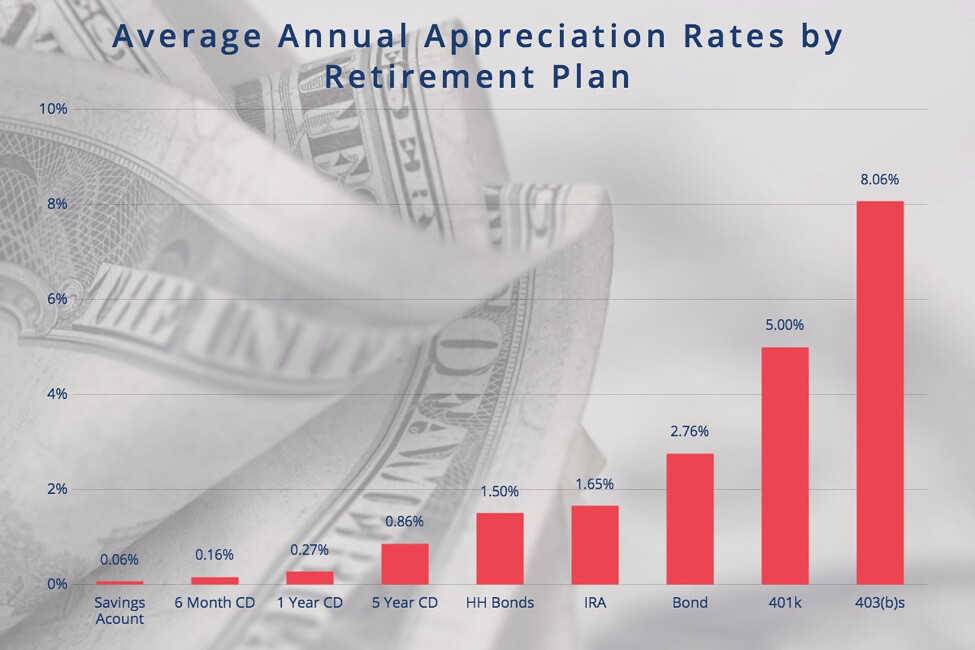
- How do 1-Year CD rates compare to other investment options? 1-Year CD rates often provide higher interest rates than traditional savings accounts, making them an attractive option for conservative investors.
- Are 1-Year CDs insured? Yes, most 1-Year CDs offered by banks are insured by the FDIC up to $250,000, providing a layer of security for your investment.
- What happens if I withdraw my money early? Withdrawing funds from a 1-Year CD before its maturity date usually incurs an early withdrawal penalty, which can vary by institution.
- Can I add more money to my 1-Year CD? Generally, 1-Year CDs are not designed for additional deposits after the initial investment, though some banks may offer special add-on CDs.
Understanding these aspects can help you make informed decisions about 1-Year CD rates and their suitability for your financial goals.
By aag_photos via Openverse