
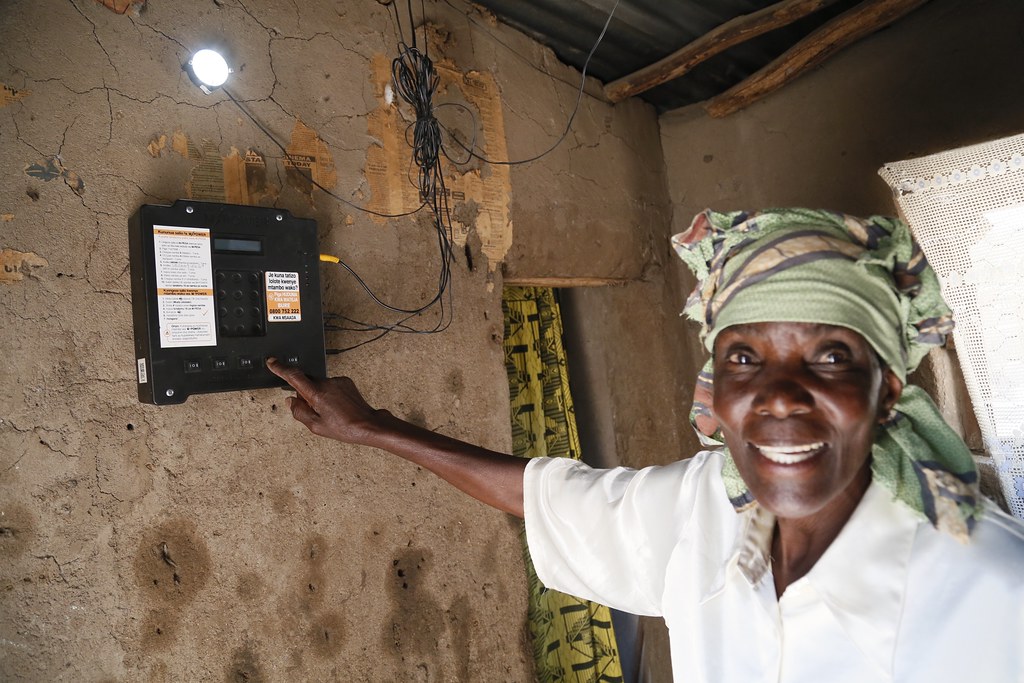
solar scheme savings are often touted as a way to cut energy costs, but consumers must weigh the potential hidden expenses against the benefits.
Understanding Solar Schemes
As energy costs continue to rise, many homeowners are exploring renewable energy options, particularly solar schemes. These programs are designed to reduce electricity bills and promote sustainable living. However, understanding the intricacies of solar schemes is essential before making a commitment.
Solar schemes typically involve the installation of solar panels on residential properties, allowing homeowners to generate their own electricity. This can lead to substantial savings over time, as reliance on traditional energy sources diminishes. Nevertheless, the initial investment can be significant, encompassing costs for equipment, installation, and maintenance.
When evaluating the potential savings from a solar scheme, consider the following factors:
- Installation Costs: The price of solar panels varies widely depending on size, type, and installation services.
- Incentives and Rebates: Many governments offer financial incentives that can offset initial costs, making solar schemes more attractive.
- Energy Consumption: Homes with higher energy usage may see greater savings, while those with lower consumption might benefit less.
- Longevity of Equipment: Solar panels typically have warranties ranging from 20 to 25 years, impacting long-term savings potential.
In summary, while solar scheme savings can be appealing, homeowners should conduct thorough research and consider their specific circumstances to determine if the investment is worthwhile.
Potential Savings Explained
As homeowners consider the financial implications of adopting solar energy, understanding potential savings is crucial. Solar scheme savings can vary significantly based on factors such as location, energy consumption, and available incentives.
One of the most compelling aspects of solar schemes is the reduction in electricity bills. By generating their own power, homeowners can lower their dependence on traditional energy sources. Many users report a significant decrease in monthly utility costs, often recouping their initial investment within a few years.
In addition to lower energy bills, participants in solar schemes may benefit from:
- Government incentives: Many regions offer tax credits, rebates, or grants to encourage solar adoption, which can enhance overall savings.
- Net metering: Homeowners can sell excess electricity back to the grid, further offsetting costs and increasing savings.
- Increased property value: Homes equipped with solar systems often see an increase in market value, making them attractive to potential buyers.
However, it’s essential to consider the initial investment required for installation. While solar scheme savings can be substantial in the long run, the upfront costs can be daunting for some. Potential users must weigh the immediate financial burden against future savings to determine if a solar scheme is a suitable investment for their circumstances.
Hidden Costs of Solar Energy
The allure of solar scheme savings often overshadows the hidden costs associated with solar energy installations. While many homeowners anticipate significant reductions in their electricity bills, they may overlook several factors that can affect the overall financial benefit.
One of the primary hidden costs is the initial investment. The price of solar panels and installation can be substantial, often requiring a considerable upfront payment. Although many solar schemes offer financing options, the long-term interest rates can add to the total cost, sometimes negating the savings achieved over time.
Additionally, maintenance and repair costs can emerge unexpectedly. While solar panels are generally durable, they may require occasional cleaning and servicing to maintain optimal efficiency. Homeowners must account for these potential expenses when calculating their solar scheme savings.
Moreover, other factors such as local regulations, permitting fees, and interconnection costs can further inflate the overall price of going solar. In some regions, homeowners may also face higher property taxes due to increased home value after installing solar systems.
Lastly, the efficiency of the solar system can decline over time. Without proper maintenance, the expected savings might diminish, making it crucial for potential buyers to weigh all these hidden costs against the promised benefits of solar energy.
Is Solar Energy Right for You?
As homeowners consider the transition to solar energy, a critical question arises: Is solar energy right for you? The answer depends on various factors, including location, energy consumption, and financial goals.
One of the most compelling reasons to adopt solar energy is the potential for substantial solar scheme savings. However, it is essential to weigh these potential savings against the initial investment and ongoing maintenance costs. Below are some key points to consider:
- Energy Needs: Assess your household’s energy consumption. A solar system’s efficiency is directly linked to how much power you use.
- Local Climate: Your geographic location plays a significant role in solar energy production. Areas with abundant sunlight can maximize the benefits of a solar scheme.
- Incentives: Investigate available government incentives or tax credits that can offset installation costs, thus enhancing savings.
- Financing Options: Explore various financing plans, including leases and loans, which can make solar energy more accessible.
- Long-Term Commitment: Consider the lifespan of solar panels and the long-term benefits they may offer, balancing upfront costs with future savings.
Ultimately, determining whether solar energy is the right choice hinges on individual circumstances and the potential for long-term savings.
Consumer Experiences with Solar Schemes
Many consumers have shared their experiences with solar schemes, providing valuable insights into the potential benefits and drawbacks associated with them. For some homeowners, the initial investment has led to significant solar scheme savings, drastically reducing their monthly utility bills.
One satisfied customer, Jane Doe, reported, “After installing solar panels, I noticed a 60% decrease in my energy costs. The savings have made the investment worthwhile.” Her positive experience highlights the financial advantages that can accompany a well-planned solar installation.
However, not all stories are as favorable. John Smith expressed his frustrations, stating, “While I expected savings, the maintenance costs and unexpected repairs have eaten into my profits. I should have done more research before committing.” Such experiences underscore the importance of understanding the long-term implications of solar schemes.
In addition to financial factors, many consumers emphasized the environmental benefits of switching to solar energy. “It feels good to know I’m contributing to a cleaner planet,” noted one user. This sentiment resonates with those who prioritize sustainability alongside potential savings.
Ultimately, consumer experiences vary widely, suggesting that prospective buyers should thoroughly research and consider their options before investing in a solar scheme. Evaluating personal energy needs and financial situations can lead to a more informed decision.
Many homeowners are now evaluating whether the solar scheme savings can outweigh the initial investment costs. By analyzing long-term benefits, potential buyers can better understand the true value of solar scheme savings.
By DFID – UK Department for International Development via Openverse
Where this came from
Related stories
CNG price hike: Worst impact on consumers in Delhi-NCR · Binance hack bullish: Proven reasons to stay optimistic · TCL air conditioner acquisition: Smart move for growth