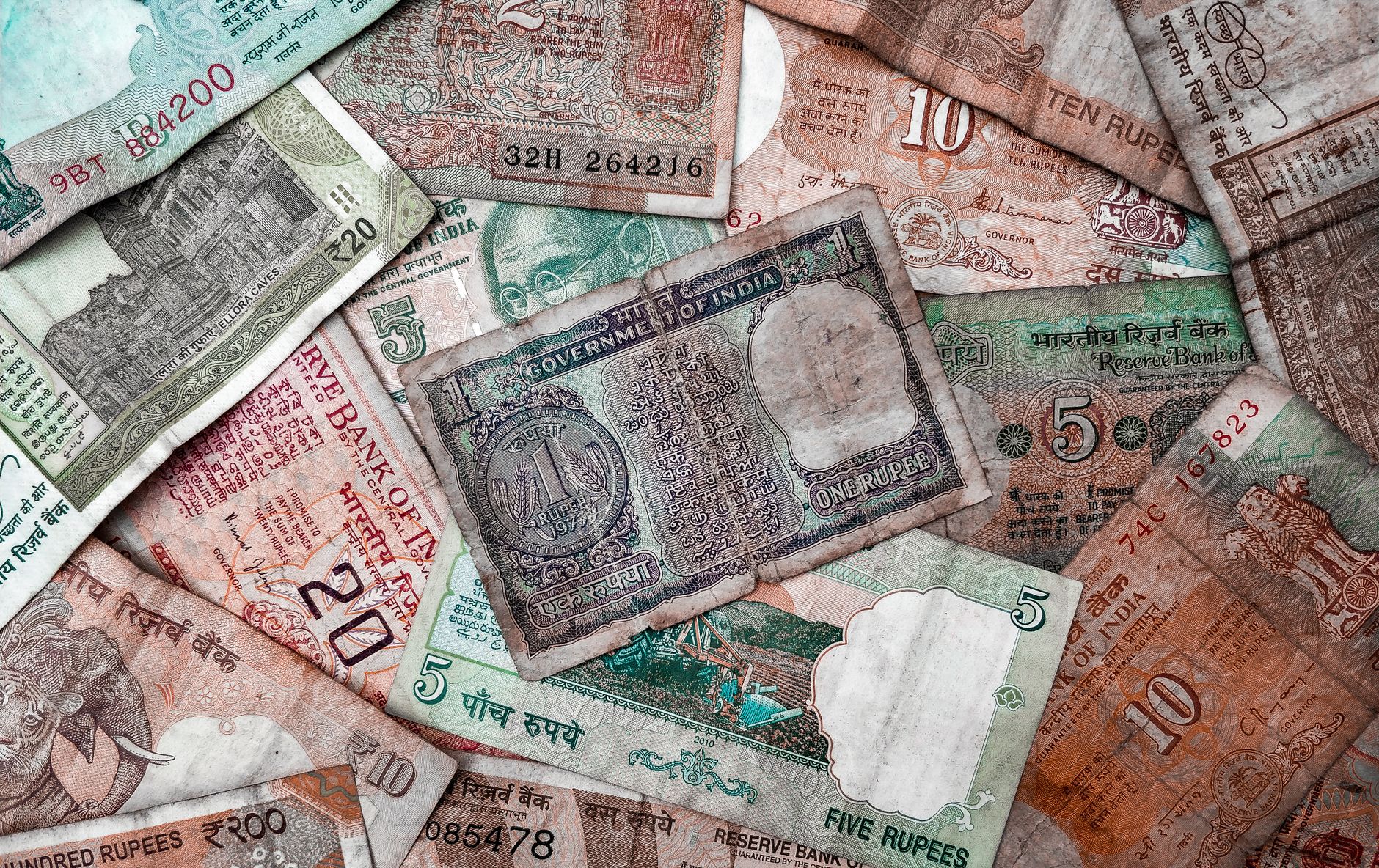
Indian rupee anxiety remains a significant issue despite the currency’s relative calm. Recent data highlights that underlying concerns continue to linger in the economy.
Understanding the Current State of the Indian Rupee
The Indian rupee, despite a facade of stability, has been a source of considerable anxiety for both investors and everyday citizens. Recent data suggests that while the currency has not witnessed drastic fluctuations in the short term, underlying factors contribute to a persistent sense of unease.
Several elements are at play in the current financial landscape:
- Global Economic Trends: The Indian rupee is heavily influenced by global market dynamics, including shifts in crude oil prices and the strength of the US dollar.
- Inflation Rates: Rising inflation in India poses a threat to purchasing power, further exacerbating concerns over the rupee’s value.
- Trade Deficits: A growing trade deficit continues to put pressure on the currency, raising questions about its long-term stability.
- Political Stability: Domestic political factors can significantly affect market confidence and currency valuation, leading to increased anxiety among stakeholders.
As the world watches the Indian economy’s developments, the anxiety surrounding the rupee remains palpable. Investors are keeping a close eye on both domestic and international developments, wary of potential shifts that could trigger a more pronounced decline in the currency’s value.
Factors Contributing to Currency Stability
The stability of the Indian rupee is influenced by several key factors that contribute to ongoing concerns about its future. Despite a seemingly calm surface, Indian rupee anxiety remains prevalent among economists and investors alike. Below are some critical elements affecting currency stability:
- Global Economic Conditions: The performance of the global economy, particularly in major economies like the United States and China, can have a significant impact on the Indian rupee. Fluctuations in these markets can lead to increased volatility in currency exchange rates.
- Inflation Rates: High inflation can erode purchasing power and decrease confidence in the rupee. Persistent inflationary pressures may result in further depreciation of the currency.
- Interest Rates: The monetary policy set by the Reserve Bank of India (RBI) plays a crucial role in determining interest rates. Changes in these rates can influence foreign investment and, consequently, the stability of the rupee.
- Political Stability: Domestic political issues can lead to uncertainty, which may cause investors to reconsider their positions in the Indian market. Political instability can exacerbate Indian rupee anxiety, leading to capital outflows.
- Trade Balances: A trade deficit can weaken the rupee as it indicates that the country is importing more than it is exporting, leading to increased demand for foreign currencies.
Economic Indicators Influencing the Rupee
The Indian rupee has exhibited relative stability in recent times, but beneath this calm surface lies a growing anxiety regarding its future. Various economic indicators play a crucial role in shaping perceptions and investor confidence in the currency. These indicators include:
- Inflation Rates: High inflation can erode purchasing power and lead to depreciation of the rupee. Persistent inflationary pressures raise concerns about the central bank’s ability to control price levels.
- Interest Rates: Changes in interest rates significantly influence currency value. A rise in rates can attract foreign investment, supporting the rupee, while a drop may lead to capital outflows and heightened anxiety.
- Trade Balance: A widening trade deficit puts downward pressure on the rupee. As imports outpace exports, the demand for foreign currency increases, raising fears about the rupee’s long-term viability.
- Foreign Reserves: Healthy foreign reserves provide a buffer against currency fluctuations. A decline in these reserves can intensify anxiety among investors regarding the rupee’s stability.
As these economic indicators fluctuate, the underlying Indian rupee anxiety becomes more pronounced, prompting stakeholders to closely monitor developments in the domestic and global economic landscape.
Expert Opinions on Rupee’s Future
Experts weigh in on the ongoing concerns surrounding the Indian rupee, emphasizing that despite its current stability, Indian rupee anxiety persists among investors and economists alike. Many analysts argue that the calmness of the currency may be misleading, as underlying factors could trigger significant volatility in the near future.
According to Dr. Anjali Mehta, an economist at the Indian Institute of Finance, “The rupee’s recent performance may give the impression of stability, but the global economic landscape is fraught with uncertainties that could impact its value.” She highlights several key elements that investors should monitor:
- Global economic trends: Shifts in major economies, particularly the US and China, can have a direct impact on the rupee.
- Monetary policy changes: Adjustments in interest rates by the Reserve Bank of India could lead to fluctuations.
- Geopolitical tensions: Regional conflicts can affect investor sentiment and currency stability.
Similarly, Rajesh Kumar, a financial analyst, notes that “the rupee’s resilience is commendable, but stakeholders should remain vigilant.” He suggests that diversification of investments may mitigate risks associated with potential currency devaluation.
As anxiety over the Indian rupee continues to loom, stakeholders are urged to stay informed and proactive in their financial strategies.
Historical Context of Indian Rupee Fluctuations
The Indian rupee has experienced significant fluctuations over the decades, shaped by various economic and geopolitical factors. Understanding the historical context of these changes is crucial in assessing the current Indian rupee anxiety that many investors and citizens feel today.
In the early 1990s, India faced a severe balance of payments crisis, which led to the liberalization of the economy and a shift towards a market-determined exchange rate. This transition resulted in the rupee depreciating sharply, igniting fears of inflation and economic instability.
Throughout the late 1990s and early 2000s, the rupee fluctuated due to external shocks, such as the Asian financial crisis, and internal factors like fiscal deficits. Notably, the global financial crisis of 2008 marked another turning point, causing the rupee to weaken against major currencies amidst global market turmoil.
In recent years, while the rupee has shown relative stability, there are underlying concerns that contribute to the persistent anxiety surrounding its future. Factors such as rising oil prices, trade deficits, and global economic conditions continue to put pressure on the currency. Furthermore, the influence of foreign investments and remittances adds layers of complexity to the rupee’s performance.
As we reflect on these historical events, it becomes evident that the Indian rupee’s trajectory is marked by resilience, yet the anxiety remains palpable for those closely monitoring its movements.
What Investors Should Know About the Rupee
As the Indian rupee continues to fluctuate, investors should be aware of several critical aspects that could influence their financial decisions. While the current state of the rupee appears stable, underlying Indian rupee anxiety remains a concern for many market participants.
First and foremost, it’s essential to monitor the global economic environment. Changes in interest rates, especially from major economies like the United States, can have significant impacts on currency valuations. Investors need to stay informed about the Federal Reserve’s policies and how they might affect capital flows into India.
Additionally, domestic economic indicators play a vital role in shaping the rupee’s performance. Key statistics such as inflation rates, GDP growth, and trade balances should be closely analyzed to gauge the currency’s health. Investors should also pay attention to the Reserve Bank of India’s interventions and policy shifts, which can provide insights into future currency movements.
Finally, geopolitical factors cannot be ignored. Political stability, trade agreements, and diplomatic relations can all influence investor sentiment and the strength of the rupee. Keeping abreast of these developments will help investors make informed decisions in a landscape marked by uncertainty and anxiety.
Many investors are increasingly worried about the implications of Indian rupee anxiety on their portfolios. As global markets fluctuate, understanding the roots of Indian rupee anxiety becomes essential for making informed financial decisions.