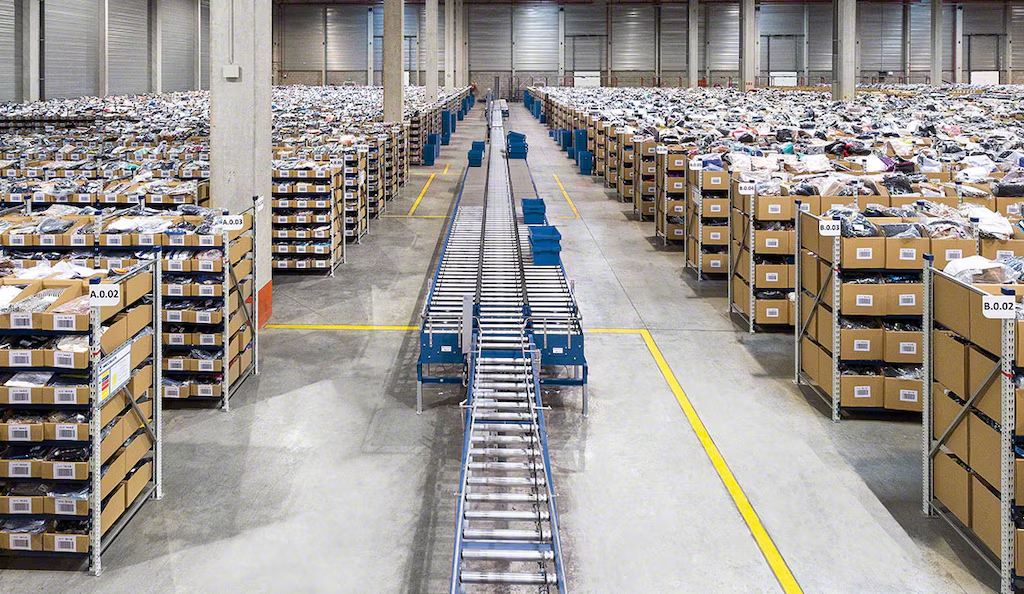
Ecommerce has experienced rapid growth over the years, generating trillions in global sales and continuing to expand as more businesses move online. With millions of online stores competing for attention, success depends on more than just having a great product or an attractive website. One of the most critical yet often overlooked factors is ecommerce fulfillment services. These services help businesses manage storage, packing, and shipping so orders reach customers quickly and accurately.
A efficient ecommerce fulfillment center plays a major role in customer satisfaction, operational efficiency, and long-term business growth. Even the largest online retailers rely on streamlined fulfillment processes to maintain their competitive edge. By making sure products are stored properly, orders are processed quickly, and deliveries are handled smoothly, businesses can build trust with customers and encourage repeat purchases.
What Is Ecommerce Fulfillment?
Ecommerce fulfillment refers to the entire process of delivering products to customers after they place an order online. While it is commonly associated with shipping, fulfillment involves multiple steps that ensure orders are processed accurately and delivered on time.
The process begins with integrating your online store with a fulfillment system, allowing orders to be automatically received and managed. It also includes inventory storage and tracking, order picking and packing, shipping, and handling returns. When executed properly, ecommerce fulfillment ensures a seamless experience from checkout to delivery and beyond.
Who Handles Ecommerce Order Fulfillment?
Online businesses can choose to manage fulfillment internally or outsource it to a third-party provider. Handling fulfillment in-house gives businesses direct control over operations but often requires significant investment in storage space, staff, and logistics.
Outsourcing fulfillment allows businesses to store inventory in a dedicated warehouse managed by a fulfillment provider. When a customer places an order, the product is picked, packed, and shipped directly to the customer without requiring direct involvement from the seller. This approach reduces overhead costs and allows businesses to focus on growth, marketing, and product development.
Why Ecommerce Businesses Need Effective Fulfillment Services
Having a strong fulfillment strategy is essential because it directly impacts customer experience. Even with high-quality products and a well-designed website, poor fulfillment can lead to delayed deliveries, damaged goods, and dissatisfied customers. These issues can reduce repeat purchases and harm your brand reputation.
A well-structured fulfillment process ensures that orders are delivered quickly, accurately, and consistently, which helps build trust and encourages long-term customer loyalty.
Meeting Changing Consumer Expectations
Consumer expectations have evolved significantly with advancements in technology and logistics. Fast shipping has become the standard, and customers now expect their orders to arrive within a short timeframe.
When delivery times are too long, customers are more likely to turn to competitors who can meet their expectations. Providing fast and reliable shipping is essential for staying competitive in the ecommerce space. A fulfillment system that can process and ship orders efficiently helps businesses keep up with these demands and maintain customer satisfaction.
Improving Transparency and Accountability
Modern consumers value transparency when it comes to their orders. They want accurate delivery estimates and real-time updates on shipment status. If a business promises fast delivery but fails to meet those expectations, it can lead to frustration and negative reviews.
An effective fulfillment system provides visibility into the entire process, allowing businesses to track orders and communicate updates to customers. This level of transparency builds trust and enhances the overall customer experience, increasing the likelihood of repeat business.
Creating a Competitive Advantage Through Customer Experience
In a highly competitive market, customer experience can be a key differentiator. Efficient fulfillment contributes to a smooth and hassle-free purchasing journey, from placing an order to receiving it.
When customers have a positive experience, they are more likely to return and recommend the business to others. Consistently meeting or exceeding expectations helps build brand loyalty and creates opportunities for long-term growth.
Increasing Efficiency While Reducing Costs
A well-optimized fulfillment process improves operational efficiency and reduces unnecessary expenses. Outsourcing fulfillment can eliminate the need for warehouse space, staffing, and logistics management, allowing businesses to allocate resources more effectively.
Cost savings and improved efficiency also create opportunities for reinvestment. Businesses can use these resources to expand product lines, enhance marketing efforts, or improve customer support. In addition, a reliable fulfillment process helps minimize errors and returns, further reducing costs over time.
Maximizing the Benefits of Ecommerce Fulfillment
Effective ecommerce fulfillment supports business growth by aligning operations with customer expectations, improving delivery performance, and enhancing overall efficiency. It plays a vital role in building customer trust and driving repeat purchases.
Choosing the right fulfillment approach is essential to achieving these benefits. A well-suited fulfillment solution should align with your business goals, support scalability, and provide the flexibility needed to adapt to changing demands. When fulfillment is handled correctly, it becomes a powerful tool for increasing profitability and accelerating business success.