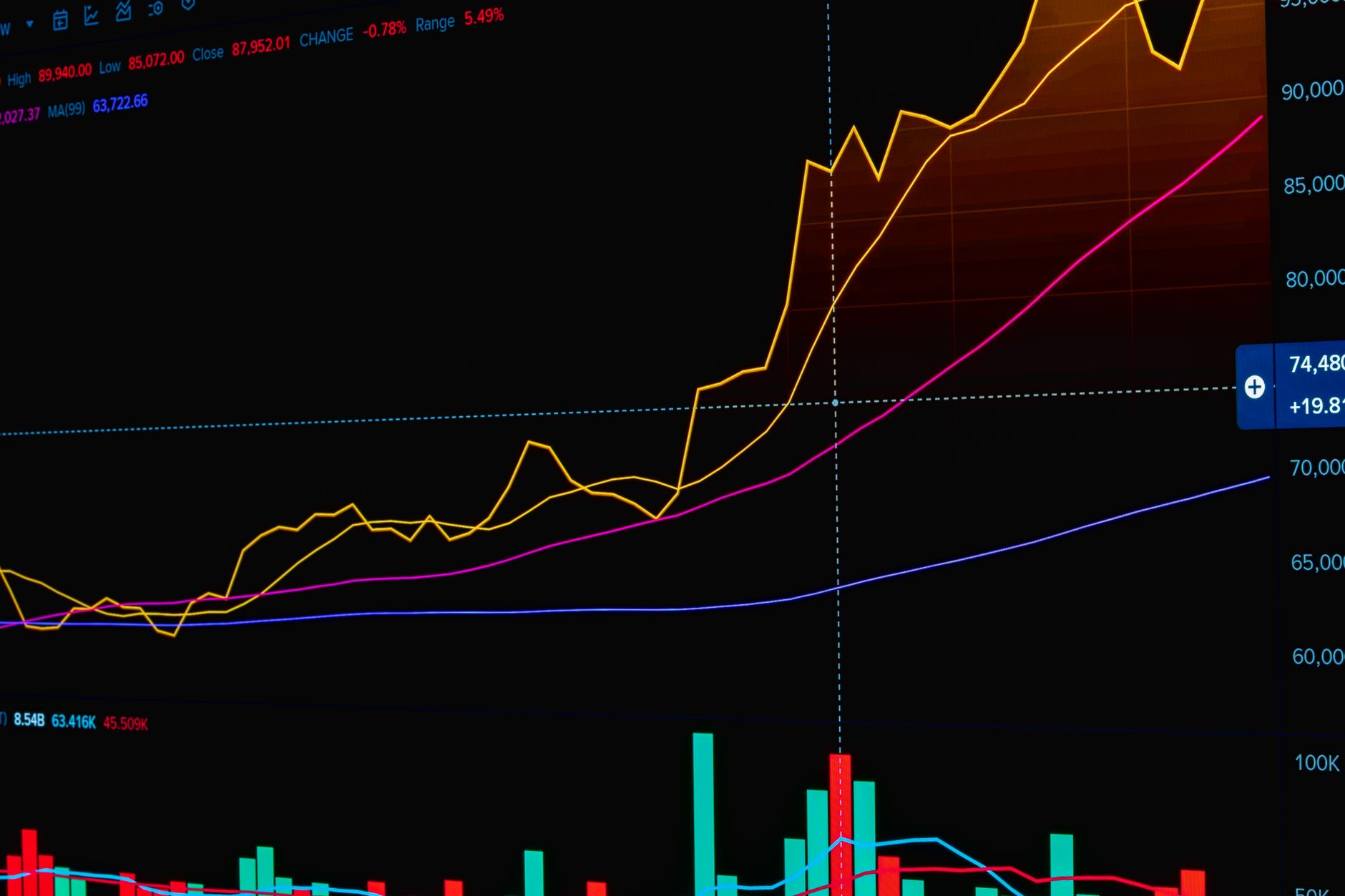
Guru Nanak Jayanti holiday impacts stock markets, but investors can still trade in gold and silver. This situation raises questions about the safety and potential benefits of trading during holidays.
Understanding the Guru Nanak Jayanti holiday
The Guru Nanak Jayanti holiday, celebrated by millions, marks the birth anniversary of Guru Nanak Dev Ji, the founder of Sikhism. This significant occasion falls on the full moon day in the month of Kartik, typically in October or November. The festivities include prayers, processions, and communal meals, highlighting the core values of equality, community service, and spirituality.
During the Guru Nanak Jayanti holiday, stock markets remain closed, leading many investors to seek alternative trading opportunities. One popular avenue is the trading of gold and silver, which often sees increased activity around festive seasons due to cultural significance and seasonal demand. For many, investing in precious metals is viewed as a safe haven during volatile markets.
While the Guru Nanak Jayanti holiday may restrict trading on traditional stocks, it also provides an opportunity for investors to focus on commodities like gold. The price of gold can fluctuate based on various factors, including global economic conditions, currency strength, and demand during significant festivals.
- Investors should remain informed about market trends.
- Gold often acts as a hedge against inflation.
- Understanding the historical significance of gold during holidays can aid in making informed decisions.
As the Guru Nanak Jayanti holiday approaches, traders are encouraged to assess their strategies carefully.
Impact on stock markets during holidays
The Guru Nanak Jayanti holiday often leads to a significant impact on stock markets as they remain closed, causing a halt in regular trading activities. Investors typically assess their options during such holidays, seeking alternative avenues for trading.
During the Guru Nanak Jayanti holiday, while stock markets are shut, many investors turn their attention to precious metals, particularly gold and silver. This trend is driven by the perception that these commodities can serve as a safe haven during uncertain economic times.
Market analysts observe that the price of gold may experience fluctuations due to various factors, including:
- Global Economic Conditions: Changes in the international market can influence gold prices, making it essential for investors to stay informed.
- Currency Strength: The value of the US dollar often impacts gold prices, with a weaker dollar typically leading to higher gold values.
- Investor Sentiment: During holidays like Guru Nanak Jayanti, the sentiment around precious metals can shift, affecting demand and supply dynamics.
Despite the stock market’s closure, trading in gold remains active, allowing investors to capitalize on potential price movements. With the observance of the Guru Nanak Jayanti holiday, understanding these dynamics becomes crucial for informed decision-making in the commodities market.
Trading gold and silver: Pros and Cons
Trading gold and silver during holidays, such as the Guru Nanak Jayanti holiday, can present both opportunities and challenges for investors. Understanding the pros and cons is essential for making informed decisions.
- Pros:
- Liquidity: Gold and silver are known for their high liquidity, making it easier to buy and sell even during holidays.
- Hedge against inflation: Both metals serve as a hedge against inflation and currency fluctuations, providing a sense of security during uncertain economic times.
- Potential for profit: Prices may rise due to increased demand, especially during festive seasons, offering the potential for profit if traded wisely.
- Cons:
- Market volatility: The prices of gold and silver can be highly volatile, and trading during holidays may increase the risk of sudden price changes.
- Limited market hours: Many exchanges may have limited hours or be closed entirely during holidays, affecting trading opportunities.
- Emotional trading: The festive atmosphere may lead to impulsive decisions rather than rational trading strategies, which can result in losses.
As investors consider trading gold and silver during the Guru Nanak Jayanti holiday, weighing these pros and cons is crucial for effective strategy development.
Investor strategies for holiday trading
As the Guru Nanak Jayanti holiday approaches, investors may be contemplating their strategies for trading gold and silver during this period. While stock markets may be closed, the precious metals market often remains active, presenting unique opportunities and challenges for traders.
One key strategy is to stay informed about global economic indicators that affect gold prices. Factors such as inflation rates, currency fluctuations, and geopolitical events can significantly impact the value of precious metals. Investors should monitor these indicators closely to make informed decisions.
Another effective approach is to establish clear trading goals and risk management strategies. This includes setting stop-loss orders to minimize potential losses and diversifying investments to spread risk. Traders should also consider the historical performance of gold during previous holidays, as this can provide insights into potential price movements.
Additionally, utilizing technical analysis can be beneficial. By examining price charts and identifying patterns, investors can make more strategic trades. Engaging with online trading platforms that offer real-time data can further enhance decision-making during the Guru Nanak Jayanti holiday.
Ultimately, while trading during the holiday presents certain risks, it can also yield opportunities for those who prepare adequately and remain vigilant.
Market trends during festive seasons
During the festive season, particularly around the Guru Nanak Jayanti holiday, market trends often exhibit distinct patterns that can influence trading behaviors. Investors tend to adopt a more cautious approach as many markets, including stock exchanges, may be closed, leading to reduced trading volumes.
Historically, gold prices have shown an upward trend during festive occasions, driven by increased demand for jewelry and traditional purchases among consumers. This is especially relevant during significant holidays like Guru Nanak Jayanti, when many individuals seek to buy gold as part of their celebrations.
Furthermore, the sentiment surrounding the holiday can also impact market psychology. Traders often look for opportunities to capitalize on the post-holiday market corrections, as the demand created during celebrations can lead to potential price surges.
On the flip side, the volatility associated with such periods can pose risks. Some investors may find themselves caught off guard by rapid price fluctuations driven by emotional buying and selling behaviors. Hence, it is crucial for traders to remain vigilant and employ sound strategies tailored to the unique dynamics of the festive season.
In summary, understanding market trends during the Guru Nanak Jayanti holiday can provide valuable insights for those considering trading gold, enabling them to make informed decisions.