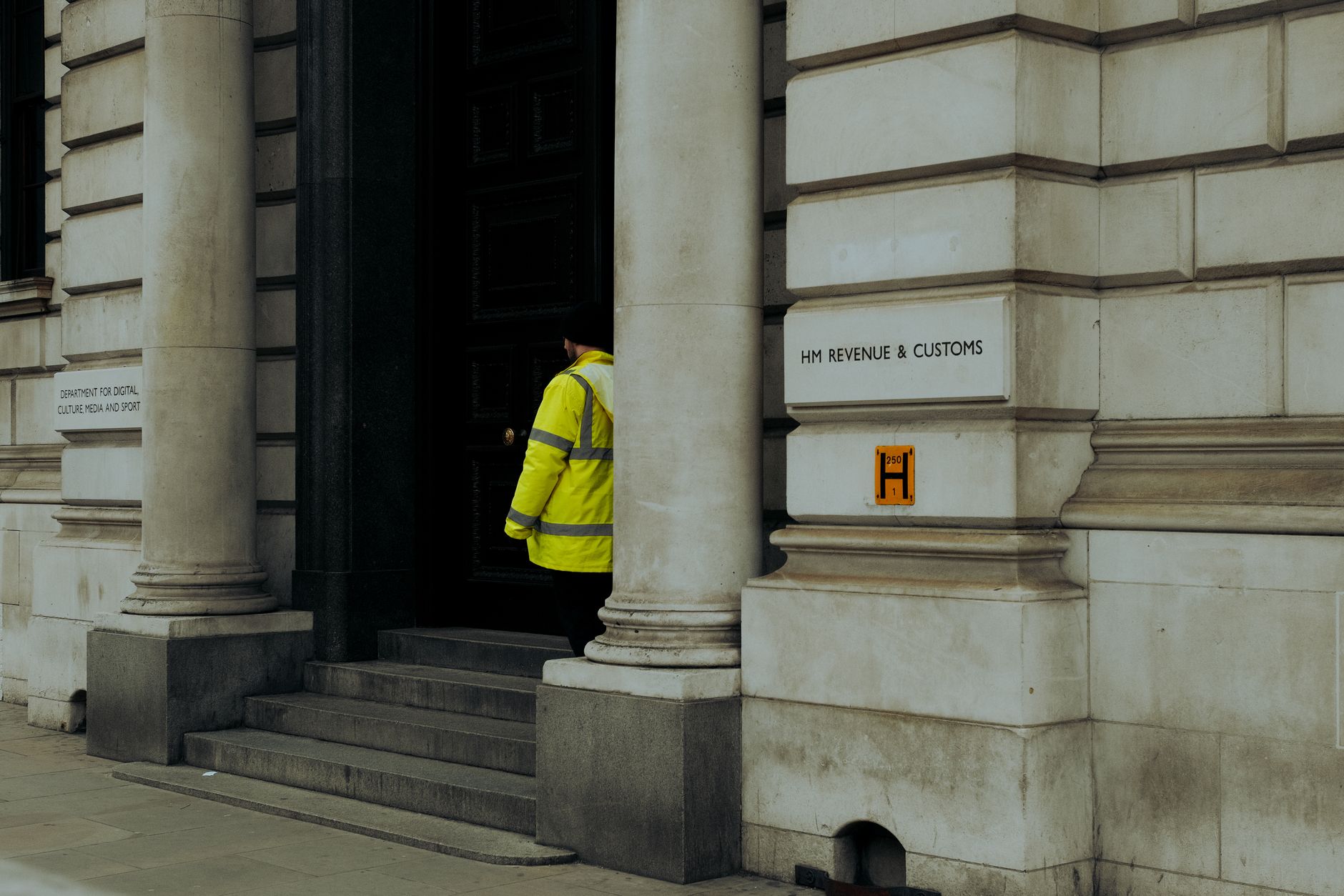
HMRC photo rule change has raised significant concerns among homeowners. This new policy allows the tax authority to take photos of houses without permission, sparking debates about privacy and property rights.
What is the HMRC photo rule change?
The recent HMRC photo rule change has sparked controversy among homeowners across the UK. This new policy allows the HMRC to take photographs of residential properties without prior consent from the owners. The aim of this change is to enhance compliance with tax regulations and improve the efficiency of tax collection.
Under the revised rules, HMRC officers can capture images of homes as part of their investigations into potential tax evasion or non-compliance. This practice raises significant privacy concerns among property owners, who feel their rights are being infringed upon. Many argue that the lack of notification or permission undermines trust between taxpayers and the tax authority.
Homeowners have expressed their worries regarding the implications of such an intrusive measure. Some of the concerns include:
- The potential misuse of photographs for purposes beyond tax enforcement.
- Increased anxiety regarding surveillance and privacy violations.
- The possibility of errors in identifying properties, leading to unwarranted investigations.
As the HMRC implements this photo rule change, the impact on homeowners continues to unfold, with many calling for a review of these policies to protect individual rights.
How will it affect homeowners?
The recent HMRC photo rule change has raised significant concerns among homeowners across the UK. Many are questioning how this new policy will directly impact their property rights and privacy.
One of the primary concerns is the potential for increased surveillance. Homeowners may feel uneasy knowing that HMRC can capture images of their homes without prior consent. This invasion of privacy could lead to a heightened sense of vulnerability, as individuals worry about how these images might be used or shared.
Moreover, there are fears that the use of these photographs could result in unfair tax assessments. If HMRC uses images to evaluate property values, homeowners might find themselves facing inflated valuations that do not accurately reflect their homes’ true worth. This situation could lead to higher tax bills, putting additional financial strain on families already grappling with rising living costs.
Additionally, the emotional toll of feeling watched can’t be overlooked. Homeowners may begin to alter their behavior within their properties, leading to a sense of discomfort in what is meant to be a sanctuary.
In conclusion, the HMRC photo rule change could have significant and lasting effects on homeowners, raising critical questions about privacy and fairness in tax assessments.
Public reaction to HMRC’s new policy
The recent HMRC photo rule change has sparked significant public outcry across various communities. Homeowners are expressing their concerns about the implications of this new policy, which allows HMRC to take photographs of properties without prior consent.
Many individuals feel that this invasion of privacy undermines their rights as property owners. A local resident, Jane Smith, stated, “I never thought I would have to worry about someone taking pictures of my home without my permission. It feels intrusive and unnecessary.”
Furthermore, a survey conducted by a local news outlet revealed that:
- 65% of respondents believe the policy is an invasion of privacy.
- 70% are concerned about the potential misuse of their property images.
- 80% feel that homeowners should be informed before any photographs are taken.
Critics argue that the HMRC photo rule change not only raises privacy issues but also instills a sense of distrust between the government and citizens. As the debate continues, homeowners are calling for clearer guidelines and a review of the policy to ensure their rights are protected.
Legal implications of the rule change
The recent HMRC photo rule change has significant legal implications for homeowners across the UK. As HMRC begins taking photographs of residential properties without prior permission, many are questioning the legality and privacy concerns surrounding this new policy.
Homeowners may find themselves facing unexpected challenges, including:
- Privacy Violations: The ability of HMRC to capture images of homes without consent raises serious concerns about the invasion of personal privacy.
- Property Rights: The rule change could potentially infringe on property rights, leading to legal disputes between homeowners and HMRC.
- Data Usage: There are uncertainties regarding how these photographs will be stored, used, and shared, heightening fears of misuse of personal data.
Legal experts warn that homeowners may need to seek legal advice to understand their rights in light of the HMRC photo rule change. Additionally, advocacy groups are calling for clearer regulations to protect homeowners from potential abuses of power by tax authorities.
As this situation develops, the implications of the policy will likely be scrutinized, making it crucial for homeowners to stay informed about their legal standing and the protections available to them.
Expert opinions on the impact
Experts are voicing significant concerns regarding the recent HMRC photo rule change, which permits the agency to photograph homes without prior consent. Many homeowners are worried about the implications this might have on their privacy and property rights.
Dr. Emily Hartman, a property law specialist, states, “This rule could set a troubling precedent. Homeowners may feel vulnerable knowing that their private spaces can be documented without their knowledge or approval. It raises ethical questions about the limits of governmental authority.”
Moreover, James Forke, a real estate analyst, emphasizes the potential market impact: “If homeowners feel insecure about their properties being photographed, it could affect property values and market perceptions. Buyers may be deterred by the thought that their future homes could be subject to unwarranted scrutiny.”
Additionally, Lisa Cheng, a privacy advocate, warns, “This HMRC photo rule change could lead to misuse of the images, whether through unauthorized distribution or misinterpretation of a property’s condition.”
As the policy unfolds, it will be crucial for stakeholders to monitor its effects and advocate for homeowner rights to ensure that privacy and property integrity are maintained.
What can homeowners do?
Homeowners concerned about the HMRC photo rule change can take several proactive steps to protect their properties and privacy. Understanding the implications of the new policy is essential for navigating this landscape effectively.
Firstly, homeowners should familiarize themselves with the specific details of the HMRC photo rule change. This includes knowing when and how HMRC plans to take photographs of properties, as well as understanding their rights regarding privacy and property ownership.
Secondly, it is advisable for homeowners to document their properties thoroughly. Keeping records of any existing photographs and property conditions can help in case of disputes or concerns regarding HMRC’s actions.
Additionally, homeowners can reach out to local representatives or housing advocacy groups to voice their concerns about the rule change. Engaging in community discussions can amplify their voices and potentially lead to reforms or clarifications from HMRC.
Finally, seeking legal advice may be beneficial, especially for those feeling particularly vulnerable under the new regulations. Legal experts can provide guidance on homeowners’ rights and help counter any issues that arise from the HMRC’s policy.
By staying informed and taking these measures, homeowners can better navigate the challenges posed by the HMRC photo rule change.
Photo by Mathias Reding on Pexels