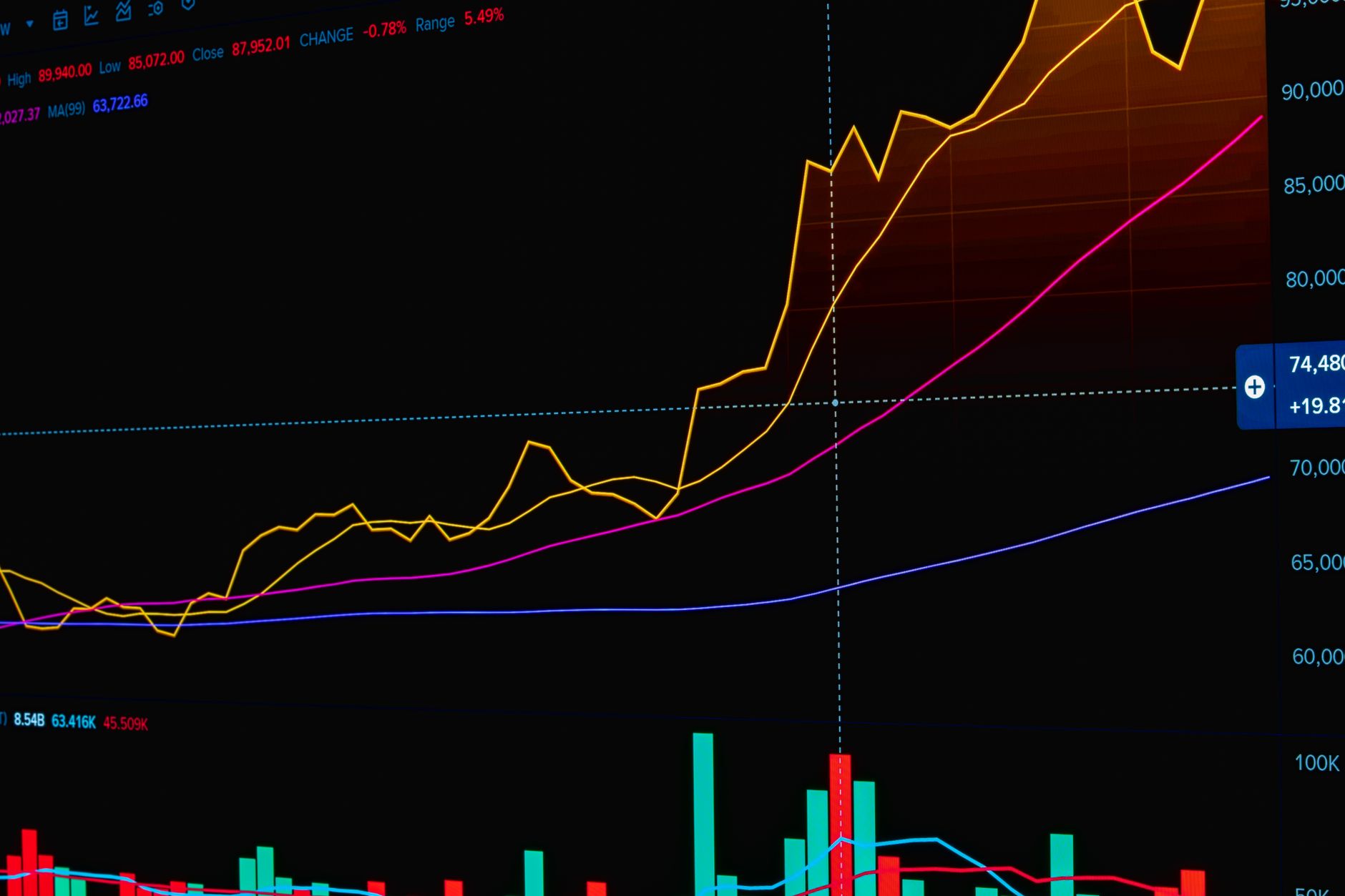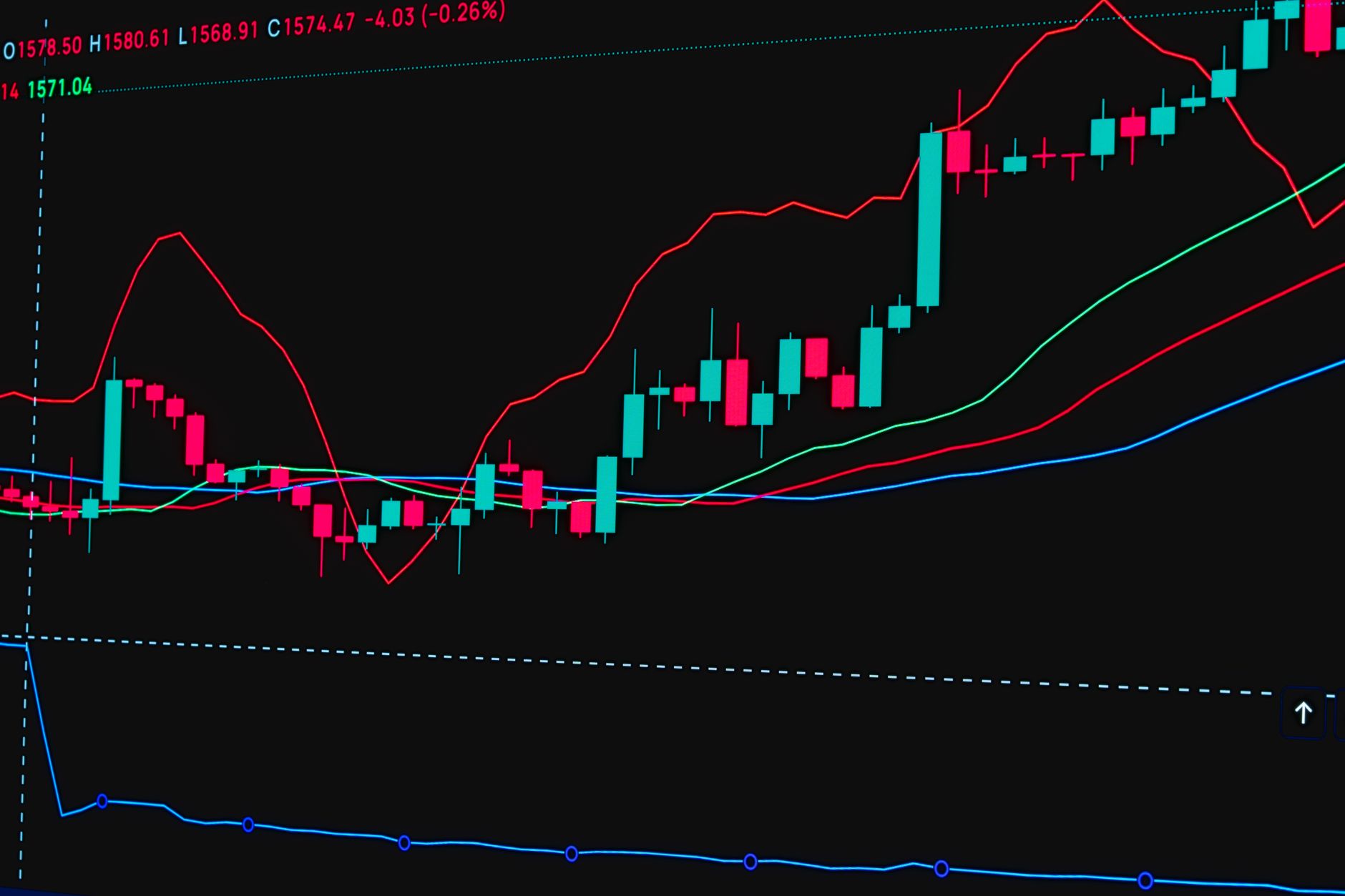
The Kospi bear market has caught the attention of investors globally as South Korea’s stock index recently tumbled from an all-time high. This shift raises concerns about market stability and future performance.
Understanding the Kospi Bear Market
The recent plunge of South Korea’s Kospi into bear market territory has raised concerns among investors worldwide. Just weeks ago, the index reached an all-time high, signaling strong market confidence. However, a series of negative economic indicators and geopolitical tensions have contributed to its sharp decline.
Understanding the Kospi bear market requires an examination of several key factors:
- Global Economic Slowdown: Slower growth in major economies has led to reduced investor optimism.
- Rising Interest Rates: Central banks are tightening monetary policies, impacting market liquidity.
- Geopolitical Tensions: Ongoing conflicts and trade disputes have added uncertainty to the market.
The combination of these elements has resulted in the Kospi’s rapid descent, reflecting a broader trend affecting global stocks.
What Caused the Recent Decline?
The recent decline in the Kospi bear market has been attributed to several interrelated factors. First, global economic uncertainties, particularly inflation concerns and tightening monetary policies, have significantly impacted investor confidence. Geopolitical tensions, especially in the Asia-Pacific region, have also contributed to the volatile market landscape.
Additionally, tech sector struggles have pulled down the Kospi index, which is heavily weighted towards technology stocks. Companies that once flourished are now facing supply chain disruptions and waning consumer demand. Furthermore, the strengthening of the U.S. dollar against other currencies has made investments in South Korea less attractive for foreign investors, leading to increased selling pressure.
As the Kospi navigates these challenges, analysts remain cautious, emphasizing the importance of monitoring both domestic and international developments that could influence recovery prospects.
Impact on Global Stock Markets
The recent plunge of South Korea’s Kospi into bear market territory has sent ripples throughout global stock markets. Investors worldwide are reeling from the implications of this sudden downturn, which follows a record high achieved just weeks ago.
Several key factors have contributed to this reaction:
- Increased Volatility: The Kospi’s decline has heightened concerns about economic stability, leading to greater volatility in other markets.
- Investor Sentiment: As South Korea’s stock market falters, global investors are reassessing their positions and strategies, often leading to sell-offs.
- Sector Impacts: Industries closely tied to South Korea’s economy, such as technology and manufacturing, have reported declines in stock prices, further influencing global indices.
Overall, the Kospi bear market has illustrated the interconnectedness of today’s financial systems, where one market’s fall can trigger widespread repercussions.
Investor Reactions to Kospi Changes
Investors have expressed a mix of concern and confusion following the rapid changes in the Kospi bear market. Just weeks ago, the index had reached an all-time high, leading many to believe in a sustained upward trend. Now, with significant declines, reactions have varied:
- Increased Anxiety: Many investors are worried about potential further losses, prompting them to reassess their portfolios.
- Strategic Adjustments: Some are shifting to safer assets, while others see this as an opportunity to buy at lower prices.
- Calls for Caution: Financial experts are urging investors to maintain a long-term perspective, emphasizing that bear markets can often precede recoveries.
Overall, the swift transition to a Kospi bear market has left many grappling with its implications for their investments and the broader economic landscape.
Future Outlook for the Kospi
The future outlook for the Kospi remains uncertain as analysts weigh various factors that could influence its recovery. Many experts suggest that the Kospi bear market may persist in the short term, primarily due to ongoing geopolitical tensions and inflationary pressures.
However, there are some potential positive indicators:
- Government Stimulus: Increased fiscal policies may help stabilize the market.
- Corporate Earnings: Projections for upcoming quarters suggest robust earnings growth for key sectors.
- Global Recovery: A rebound in international markets could create favorable conditions for the Kospi.
Investors are advised to stay cautious while keeping an eye on macroeconomic trends and market sentiment, as these will heavily influence the Kospi’s trajectory moving forward.
Photo by Rafael Minguet Delgado on Pexels