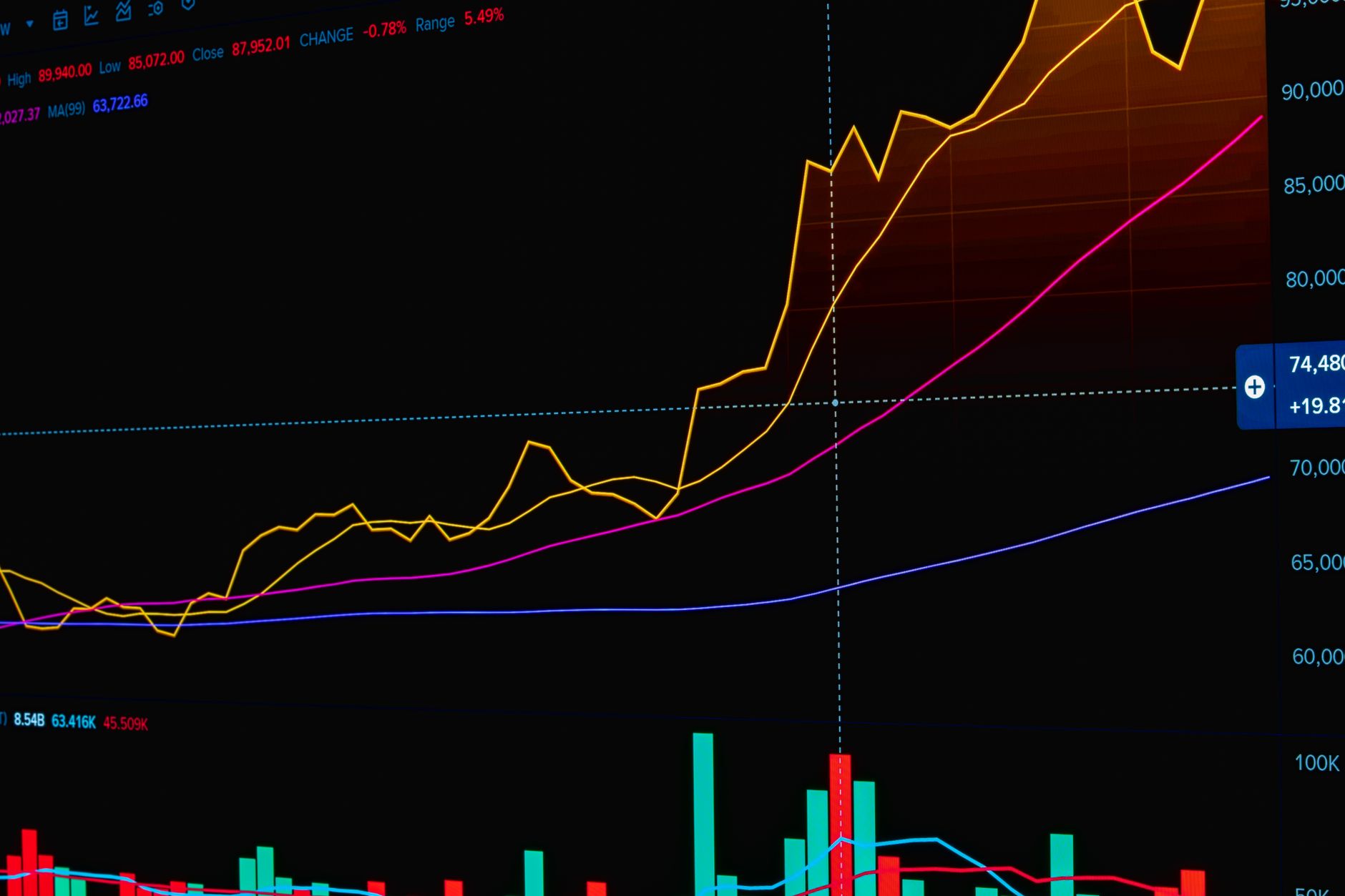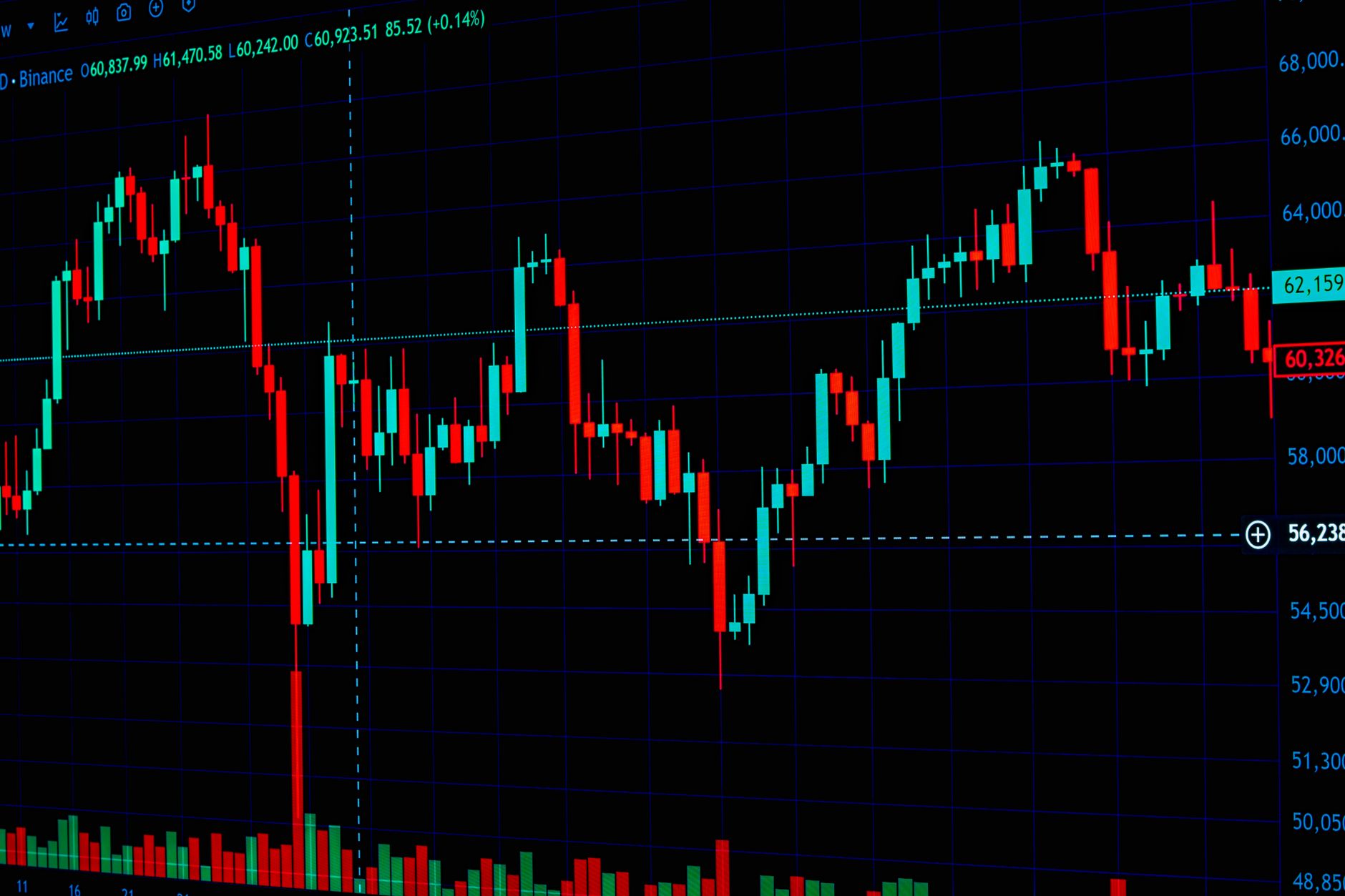
Stock market decline has been a major concern today as the Sensex dropped over 500 points, indicating a turbulent day for investors and traders alike.
Understanding the Current Stock Market Decline
The recent stock market decline has raised concerns among investors and analysts alike. With major indices such as the Sensex falling over 500 points and the Nifty testing 22,500, this trend marks one of the worst drops in recent history. Understanding the factors contributing to this decline is crucial for those looking to navigate these turbulent waters.
Several elements have converged to create a perfect storm for the stock markets:
- Economic Uncertainty: Ongoing concerns about inflation and potential interest rate hikes have led to a cautious sentiment in the markets.
- Global Events: Geopolitical tensions and supply chain disruptions continue to affect investor confidence, leading to increased volatility.
- Corporate Earnings: Disappointing earnings reports from major companies have further intensified the downward pressure on stocks.
As the stock market decline unfolds, many investors are left wondering how to respond. Some experts suggest taking a long-term approach, while others advocate for a more cautious strategy during these unpredictable times. Ultimately, staying informed and adaptable will be key to weathering this decline.
Factors Contributing to Market Losses
The recent stock market decline has been attributed to a combination of various factors that have created a perfect storm for investors. Understanding these elements is crucial to grasping the severity of the situation.
- Global Economic Uncertainty: Ongoing geopolitical tensions and fluctuating economic indicators from major economies have led to increased volatility. Investors are reacting to the fear of a potential recession.
- Interest Rate Hikes: Central banks worldwide have indicated plans to raise interest rates to combat inflation. This move has historically resulted in market pullbacks, as higher borrowing costs can dampen corporate earnings.
- Poor Corporate Earnings: Many companies have reported disappointing quarterly results, raising concerns about their future profitability. This has fueled skepticism in the market, contributing to the overall decline.
- Market Sentiment: Investor sentiment plays a significant role in market movements. The prevailing negative outlook has led to panic selling, exacerbating the stock market decline.
- Supply Chain Disruptions: Ongoing supply chain challenges continue to impact various sectors, leading to increased costs and delays, thus affecting overall market performance.
These intertwined factors highlight the complexities behind the current market losses and the challenges that lie ahead for investors.
Impact of Global Events on Stock Markets
The recent stock market decline has been significantly influenced by various global events that have created a ripple effect across financial markets worldwide. Investors are increasingly concerned about the instability caused by geopolitical tensions, economic uncertainties, and shifts in monetary policy.
Key global events impacting the stock markets include:
- Geopolitical Tensions: Ongoing conflicts and trade disputes have led to a volatile investment climate, causing many investors to retreat to safer assets.
- Inflation Rates: Higher-than-expected inflation figures in major economies have raised fears of aggressive interest rate hikes, prompting sell-offs in equities.
- Global Supply Chain Disruptions: Persistent supply chain issues have affected production and distribution, further straining corporate earnings forecasts.
- Central Bank Policies: Changes in monetary policy, particularly by the Federal Reserve, have shifted investor sentiment, leading to a more cautious approach in the stock market.
As these global events continue to unfold, their ramifications on the stock market decline are likely to deepen, affecting not only investor confidence but also the overall economic landscape. Monitoring these developments will be crucial for understanding the future trajectory of the markets.
Expert Opinions on Future Trends
As the stock market decline continues to shake investor confidence, experts have shared their insights on future trends and potential recovery paths. Many analysts believe that while the current situation appears grim, it may not signify a long-term downturn.
John Smith, a financial analyst at Global Investments, states, “The stock market decline we are experiencing is primarily driven by short-term factors. If we look at historical trends, markets often rebound after such plunges.” He emphasizes the importance of focusing on the underlying economic fundamentals rather than panic selling.
Maria Gonzalez, an economist at Market Insights, adds, “We should expect volatility in the coming months. However, there are signs of resilience in certain sectors, which could lead to a gradual recovery.” She advises investors to diversify their portfolios to mitigate risks associated with market fluctuations.
Furthermore, David Lee, a chief strategist at Wealth Management Co., suggests that government interventions and policy adjustments may play a crucial role in stabilizing the markets. “Investors should keep an eye on fiscal policies that could support economic growth,” he notes.
Overall, while the stock market decline poses challenges, experts remain cautiously optimistic about the potential for recovery in the near future.
How Investors Should Respond Now
In light of the recent stock market decline, investors are faced with critical decisions regarding their portfolios. It is essential to approach this downturn with a well-thought-out strategy rather than impulsive reactions driven by fear.
Experts recommend the following steps for investors:
- Diversify your investments: Spread your assets across various sectors to reduce risk. This may include stocks, bonds, and alternative investments.
- Reassess your risk tolerance: Understand your financial goals and how much risk you are willing to take. Adjust your investment strategy accordingly.
- Stay informed: Keep updated on market trends and global events that may affect your investments. Knowledge can help you make informed decisions.
- Consider dollar-cost averaging: Investing a fixed amount regularly can help mitigate the impact of market volatility, allowing you to buy more shares when prices are low.
- Avoid panic selling: Reacting hastily to market fluctuations can lead to losses. Instead, consider holding onto quality investments for the long term.
By taking a measured approach, investors can navigate this significant stock market decline with greater confidence and potential for recovery.
Comparing Current Decline to Historical Trends
The recent stock market decline has raised concerns among investors and analysts alike, prompting comparisons to historical downturns. Observers note that while fluctuations in the market are not uncommon, the severity of the current decline stands out amidst recent trends.
In examining past market performances, several notable patterns emerge:
- 2008 Financial Crisis: The global financial crisis saw unprecedented drops, with major indices losing over 50% of their value. The current decline, while significant, lacks the systemic failures that characterized that period.
- Dot-com Bubble Burst (2000): This was another period of dramatic declines, with the Nasdaq falling by approximately 78% from its peak. Comparatively, the current market dip has not reached such extremes.
- Black Monday (1987): A single-day drop of 22% highlighted the market’s volatility. Current declines have been more gradual, although the cumulative effect remains alarming.
As the stock market decline continues, it is essential for investors to understand these historical contexts. They provide insight into potential recovery trajectories and the resilience of the market over time.
What to Watch in the Coming Weeks
As the stock market decline continues to reverberate through financial circles, investors are left to ponder what lies ahead in the coming weeks. Analysts suggest that several key indicators and events should be closely monitored to gauge potential recovery or further losses.
- Economic Indicators: Pay attention to upcoming economic reports, including unemployment rates and consumer spending figures, which can provide insights into the overall health of the economy.
- Central Bank Policies: Watch for announcements from central banks regarding interest rate changes. Any shifts in monetary policy could have significant implications for market stability.
- Corporate Earnings Reports: The next wave of quarterly earnings releases will be crucial. Investors should assess how companies are navigating the current market landscape amidst the stock market decline.
- Geopolitical Developments: Global events, including trade negotiations and political tensions, can create volatility. Keeping an eye on international relations will be essential.
- Market Sentiment: Investor sentiment can shift rapidly. Tracking trends in market psychology through investor surveys and sentiment indexes may provide clues on future movements.
In summary, staying informed about these elements will be vital for investors looking to navigate the ongoing stock market decline effectively.
By George Hodan via Openverse
Sources
Peshwa Wheat IPO: Worst debut performance despite buzz · 5-day banking: The Right Approach for Better Banking · Bitcoin Price Prediction: Best Proven Strategies for 2023