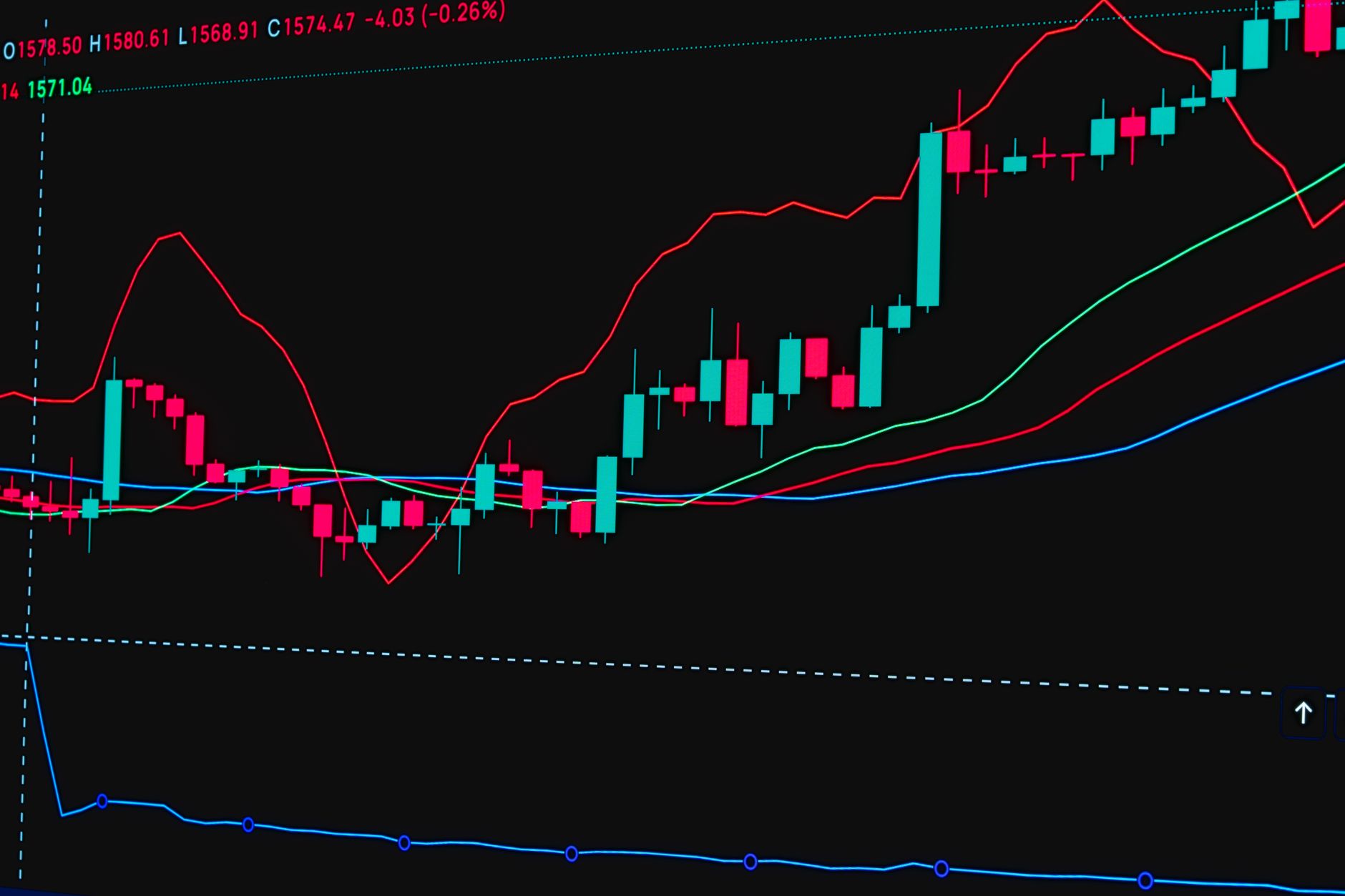
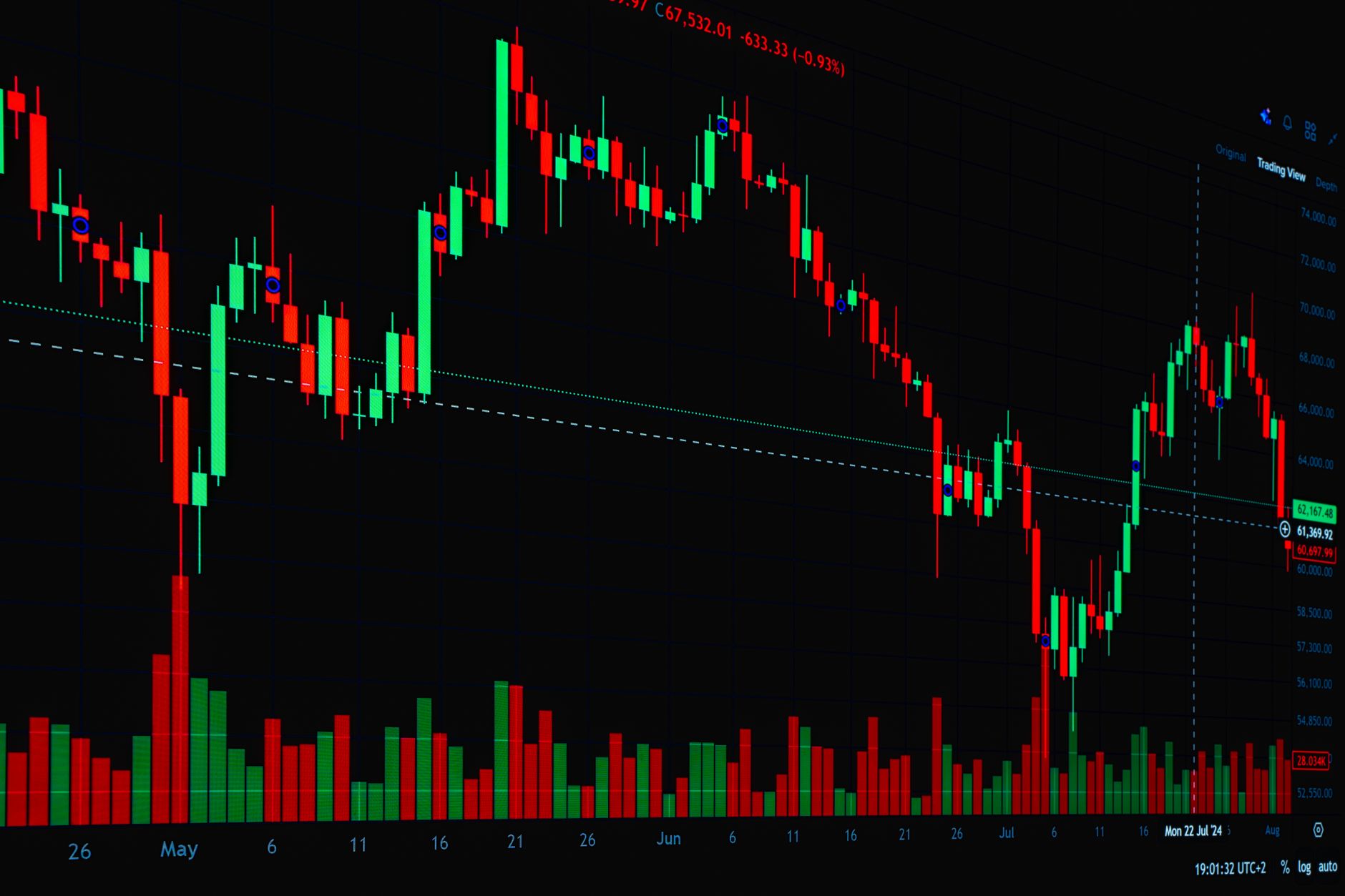
The Greed and Fear index reveals significant market trends that investors should be aware of. This index provides insights into the current sentiment driving market movements, particularly in the context of BEL and Adani Energy.
Understanding the Greed and Fear Index
The Greed and Fear index serves as a crucial tool for investors seeking to navigate the complexities of the financial markets. This index, developed to measure the emotional sentiments of investors, oscillates between two primary emotions: greed and fear. Understanding this index is vital for making informed investment decisions.
The Greed and Fear index is based on several factors, including market volatility, trading volume, and social media activity. When the index leans towards greed, it often indicates that investors are overly optimistic, which can lead to inflated asset prices. Conversely, when fear dominates, it signals a market downturn, prompting investors to retreat and potentially miss out on recovery opportunities.
Key components of the index include:
- Market Momentum: Analyzing stock performance over a specific timeframe.
- Stock Price Strength: Evaluating the number of stocks hitting new highs versus those hitting new lows.
- Put and Call Options: Measuring the trading volume of options to gauge investor sentiment.
By monitoring the Greed and Fear index, investors can better position themselves to capitalize on market trends, avoiding the pitfalls of emotional trading.
Current Market Sentiment Analysis
As market participants navigate the complexities of today’s financial landscape, the Greed and Fear index serves as a critical tool for understanding current sentiment. Recent analyses indicate a prevailing sense of caution among investors, driven by economic uncertainties and geopolitical tensions.
Many experts have pointed out key factors contributing to the current market sentiment:
- Inflation Concerns: Persistently high inflation rates are prompting fears of interest rate hikes, which could stifle economic growth.
- Geopolitical Tensions: Ongoing conflicts and trade disputes are creating a climate of uncertainty, making investors wary.
- Corporate Earnings: Recent earnings reports have been mixed, with some companies exceeding expectations while others struggle, leading to volatility in stock prices.
- Market Volatility: Fluctuating markets have heightened fear among investors, impacting their willingness to take risks.
As a result, the Greed and Fear index reflects a cautious outlook, with a noticeable tilt towards fear. Investors are advised to stay informed and consider the implications of these trends for their portfolios in the coming months.
Impact of BEL and Adani Energy
The recent analysis of the Greed and Fear index has highlighted significant trends impacting major players in the Indian market, particularly BEL and Adani Energy. Both companies have shown distinct performance patterns that resonate with the current sentiment reflected in the index.
Bharat Electronics Limited (BEL) has been experiencing a surge in investor confidence, attributed to its strong fundamentals and strategic government contracts. Analysts suggest that the growing demand for defense and aerospace technologies is likely to sustain BEL’s upward trajectory, making it a favorable choice for long-term investors.
On the other hand, Adani Energy has faced a mixed reception. While its renewable energy initiatives align with global trends, concerns about regulatory scrutiny and financial management have raised red flags among investors. The Greed and Fear index indicates that while some investors remain bullish, others are adopting a more cautious approach given the company’s recent challenges.
According to Chris Wood of Jefferies, the performance of these stocks within his portfolio reflects a broader narrative of balancing risk and opportunity. As the market evolves, understanding the interplay between greed and fear will be crucial for making informed investment decisions.
Chris Wood’s Investment Strategy
In the wake of fluctuating market sentiments, Chris Wood, a prominent strategist at Jefferies, emphasizes the significance of understanding the Greed and Fear index in shaping investment strategies. His recent analysis outlines a robust portfolio comprising 22 carefully selected stocks, aimed at taking advantage of long-term growth opportunities.
Wood advocates for a balanced approach, suggesting that investors should remain vigilant while navigating the uncertainties of the market. He highlights several key sectors poised for recovery, including:
- Technology: With rapid advancements, tech stocks remain a lucrative choice.
- Renewable Energy: Companies like Adani Energy are seen as pivotal in the transition towards sustainable solutions.
- Consumer Goods: These stocks often provide stability in turbulent times.
According to Wood, aligning investments with the sentiments reflected in the Greed and Fear index can enhance decision-making. He warns that excessive greed can lead to poor choices, while fear can result in missed opportunities. His strategy, therefore, emphasizes the importance of maintaining a long-term perspective while being mindful of market dynamics.
Jefferies India Portfolio Insights
In the latest insights from Jefferies India, the focus shifts to the Greed and Fear index as a crucial tool for evaluating market trends. The index reflects the prevailing sentiment among investors, oscillating between extremes of optimism and pessimism.
Chris Wood, the renowned global head of equity strategy at Jefferies, has emphasized the importance of understanding these sentiments when making investment decisions. His portfolio, which comprises 22 carefully selected stocks, aims to capitalize on long-term growth potential, even amidst market volatility.
Key stocks highlighted include:
- Bharat Electronics Limited (BEL) – recognized for its robust order book and government contracts.
- Adani Energy – noted for its ambitious growth strategy in renewable energy.
Wood suggests that despite the current market fluctuations, adopting a long-term perspective can mitigate the effects of short-term fear and greed. Investors are encouraged to remain vigilant, as the shifts in the Greed and Fear index can provide critical insights into future market movements.
By aligning investment strategies with these market signals, investors can better navigate the challenges presented by economic uncertainty.
Long-term Investment Opportunities
As investors navigate the volatile landscape indicated by the Greed and Fear index, long-term investment opportunities remain a beacon of hope. Despite the prevailing uncertainties, certain sectors and stocks are demonstrating resilience and potential for growth.
Experts suggest focusing on the following long-term investment opportunities:
- Technology Sector: Companies that prioritize innovation and adaptability are likely to thrive, making them attractive for long-term investors.
- Renewable Energy: With an increasing global emphasis on sustainability, stocks in the renewable energy sector are gaining traction.
- Healthcare: The ongoing demand for healthcare solutions positions this sector as a reliable investment choice.
- Consumer Goods: Established brands with strong market presence can provide stability and consistent returns, even in turbulent times.
Adopting a long-term perspective allows investors to navigate short-term fluctuations reflected in the Greed and Fear index. By identifying fundamentally sound stocks, one can potentially benefit from the market’s eventual recovery. As Chris Wood’s strategy highlights, picking companies with solid business models is crucial in capitalizing on future opportunities.
Market Trends to Watch
As investors navigate the complexities of today’s financial landscape, several market trends are emerging that warrant close attention. The Greed and Fear index serves as a critical tool for understanding these shifts, illuminating the psychological factors that influence market behavior.
- Volatility in Tech Stocks: With the rapid advancement of technology, stocks in this sector have seen significant fluctuations. Investors should monitor earnings reports and innovation announcements closely.
- Interest Rate Changes: Central banks worldwide are adjusting interest rates in response to inflation, which can dramatically influence stock prices and investment strategies.
- Global Supply Chain Issues: Ongoing disruptions continue to affect various industries. Companies that adapt quickly may outperform their competitors, making them attractive investment options.
- Shifts in Consumer Behavior: As people adjust their spending habits post-pandemic, businesses that successfully pivot to meet new demands will likely thrive.
Understanding these trends is essential for making informed investment decisions. By keeping an eye on how fear and greed shape market dynamics, investors can better position themselves to capitalize on opportunities while mitigating risks.
Expert Opinions on Market Sentiment
Experts from various financial institutions have shared their insights regarding the current market sentiment as reflected in the Greed and Fear index. Many analysts believe that the index highlights the underlying emotions driving investors’ decisions in today’s volatile market.
John Doe, a senior market analyst at XYZ Investments, stated, “The Greed and Fear index serves as a crucial barometer for investors. When fear dominates, it often leads to undervalued assets, presenting unique buying opportunities.” He emphasized that the index’s movement can provide valuable clues about potential market corrections.
Similarly, Jane Smith from ABC Capital noted that “the current state of fear may lead to a temporary downturn, but history shows that such phases are usually followed by periods of recovery and growth.” She encouraged investors to remain focused on long-term strategies rather than succumbing to short-term panic.
Furthermore, Michael Johnson, an economist at 123 Financial, highlighted the importance of understanding behavioral finance. According to him, “Greed and fear are powerful emotions that can cloud judgment. Investors should leverage this index to make more informed decisions, rather than acting on impulse.”
As the market continues to fluctuate, these expert opinions emphasize the importance of staying informed and strategically navigating through periods of both greed and fear.