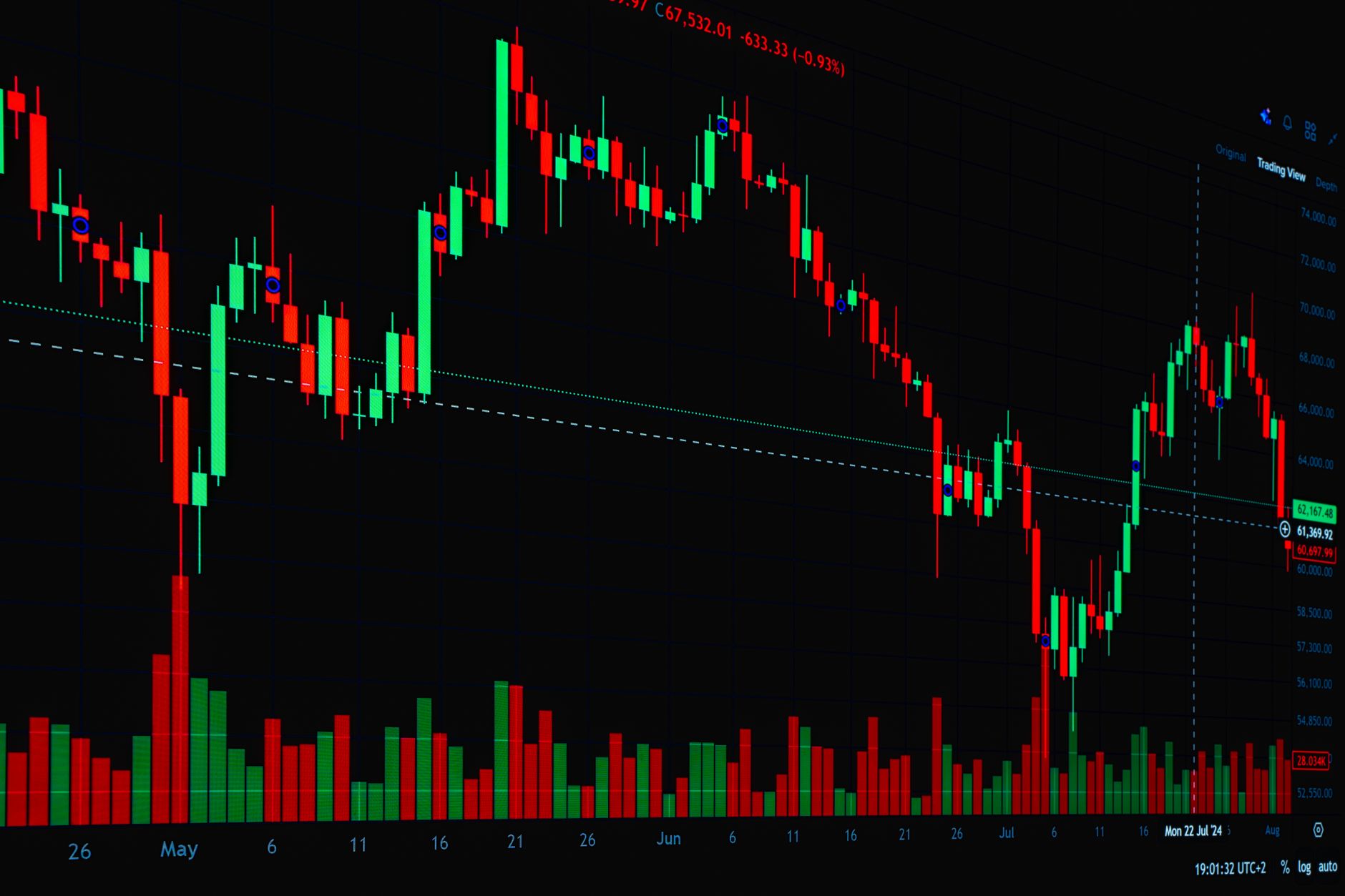
Nifty slips below 22800, causing alarm among investors as the stock market faces a significant downturn. With the Sensex crashing 1,124 points, all sectors are in red, raising concerns about future market stability.
Understanding the Nifty Index
The Nifty Index, a key benchmark for the Indian stock market, has recently slipped below 22,800, raising concerns among investors about market stability. This index reflects the performance of the top 50 companies listed on the National Stock Exchange (NSE) and is widely regarded as a barometer of the overall market health.
The recent decline has been attributed to a combination of factors, including:
- Global Economic Concerns: Investors are increasingly worried about inflation and rising interest rates in major economies, which have led to a sell-off in equities.
- Domestic Factors: Weak corporate earnings and regulatory challenges have contributed to a bearish sentiment among traders.
- Sectoral Weakness: All sectors witnessed a downturn, with significant losses in financials, IT, and consumer goods, impacting the Nifty’s performance.
As the Nifty hovers below 22,800, analysts are questioning whether this is merely a temporary setback or a precursor to a more severe market crash. Investors are advised to stay vigilant and consider the long-term implications of this downturn.
In summary, the current state of the Nifty Index reflects broader economic challenges, prompting many to reassess their investment strategies.
What Caused the Sensex Crash?
The recent downturn in the stock market, highlighted by the significant drop in the Nifty, has left many investors concerned about the overall health of the economy. The Nifty slips below 22800 has prompted analysts to investigate the underlying causes of this steep decline.
Several key factors contributed to the Sensex crash, including:
- Global Economic Concerns: Heightened fears over a potential recession in major economies have led to increased volatility in the markets.
- Rising Interest Rates: Central banks worldwide are tightening monetary policies to combat inflation, which has resulted in reduced liquidity in the markets.
- Geopolitical Tensions: Ongoing geopolitical issues have created uncertainty, driving investors to adopt a more cautious stance.
- Corporate Earnings Reports: Disappointing earnings results from several key sectors have further fueled worries about economic stability.
As all sectors remain in red, investors are left pondering whether this market correction signifies a larger trend or a temporary setback. The implications of these developments will undoubtedly shape market sentiment in the coming weeks.
Nifty Slips Below 22800: Key Takeaways
The recent downturn in the Indian stock market has raised concerns among investors as the Nifty slips below 22800. Here are the key takeaways from this significant market movement:
- Market Reaction: The Nifty index has faced considerable selling pressure, leading to a drop of over 3% in a single trading session.
- Sector Performance: All major sectors have been affected, with heavyweights in finance, technology, and energy witnessing sharp declines.
- Investor Sentiment: Market sentiment has turned bearish, with many investors adopting a cautious approach amid rising inflation and geopolitical tensions.
- Technical Analysis: Analysts suggest that crossing below the 22800 mark could signal further declines unless a reversal is observed in the coming sessions.
- Global Influences: International markets have also shown weakness, impacting investor confidence in the Indian market.
- Future Outlook: Experts recommend closely monitoring economic indicators, as further fluctuations may occur before a potential recovery.
As the Nifty slips below 22800, investors are left wondering whether this marks the beginning of a more severe market crash or if there is hope for recovery in the near future.
Impact on Different Sectors
The recent downturn has had a profound impact on various sectors of the economy, intensifying concerns among investors. As the Nifty slips below 22800, analysts are examining how different industries are faring in this turbulent market environment.
In the wake of the crash, the following sectors have been notably affected:
- Information Technology: The IT sector has seen a significant decline, with major companies reporting losses as clients tighten budgets amidst economic uncertainty.
- Banking: Banks have faced pressure due to rising non-performing assets, compounded by fears of increased defaults in a slowing economy.
- Automobile: This sector has taken a hit as consumer demand wanes, leading to reduced production and sales forecasts.
- Real Estate: The real estate market is experiencing sluggishness, as higher interest rates deter potential buyers and investors.
- Consumer Goods: Companies in this sector are grappling with rising raw material costs, which are squeezing profit margins.
The widespread negativity across these sectors exemplifies the challenges posed by the current market conditions, raising questions about recovery timelines and investor sentiment moving forward.
Investor Reactions to Market Changes
As investors digest the shocking news of the Nifty slipping below 22800, reactions have poured in from various market players. Many retail investors are expressing concern about their portfolios, with some suggesting that this steep decline is indicative of deeper economic issues.
- Increased Anxiety: A common sentiment among investors is anxiety, as the volatility has left many uncertain about the future of their investments.
- Calls for Caution: Financial advisors are urging clients to adopt a cautious approach, recommending a review of their risk tolerance and investment strategies.
- Opportunistic Buyers: Conversely, some investors see this dip as a buying opportunity, believing that the market will rebound in the long term.
- Market Sentiment: The overall sentiment appears to be bearish, with many analysts predicting further declines before a potential recovery.
In discussions on social media platforms, investors are sharing tips and insights on how to navigate this turbulent market phase. Many are keen to understand if this is merely a temporary setback or if the Nifty slipping below 22800 marks the beginning of a more significant market crash.
Future Predictions for the Stock Market
As the Nifty slips below 22800, analysts are closely monitoring the stock market for future trends and predictions. The downward movement has raised concerns among investors about the potential for further declines and what this could mean for the economy as a whole.
Several factors could influence the market in the coming weeks:
- Global Economic Conditions: A slowdown in major economies can lead to reduced investor confidence, impacting stock performance worldwide.
- Monetary Policy Changes: Central banks may adjust interest rates in response to inflation, affecting stock market liquidity and investment strategies.
- Corporate Earnings Reports: Upcoming earnings announcements will be crucial; disappointing results may exacerbate the current downtrend.
- Geopolitical Tensions: Events such as trade disputes or conflicts can lead to market volatility, further affecting investor sentiment.
While some analysts suggest that a recovery could be on the horizon, others caution that the Nifty slipping below 22800 may signal a more prolonged downturn. Investors are advised to remain vigilant and consider diversifying their portfolios to mitigate risks during these uncertain times.
Nifty slips below 22800, raising concerns among investors about the potential for further declines. As market sentiment weakens, analysts are closely monitoring the factors contributing to why Nifty slips below 22800.